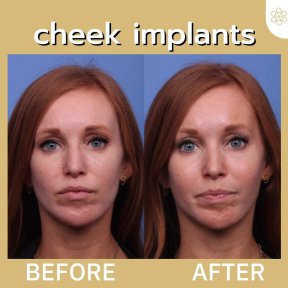
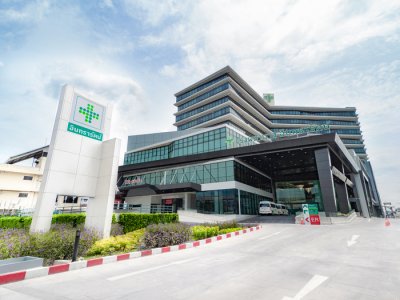
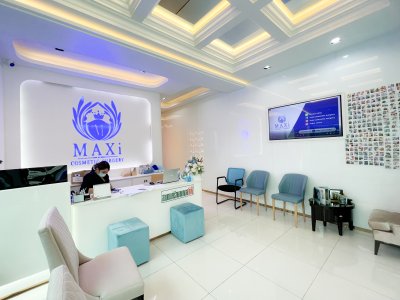
When consulting with Thai surgeons for cheek implants, prioritize verifying board certifications in plastic or maxillofacial surgery. Ask about their training in facial contouring since many top specialists completed fellowships in South Korea, Taiwan, or Italy. Confirm the clinic holds JCI or ISO accreditation to ensure international safety standards.
- Surgical background: Ask if they hold a Diploma from the Thai Board of Plastic Surgery.
- Subspecialty training: Inquire about specific fellowships in craniofacial surgery or facial contouring in Korea.
- Safety protocols: Confirm the hospital provides 24/7 emergency support and board-certified anesthesiologists for surgery.
- Aftercare logistics: Ask for a specific timeline on when it is safe to fly home.
Bookimed Expert Insight: Data shows that leading Thai facial surgeons often hold dual expertise. For example, Dr. Kanit Wittayavanichai and Dr. Kotchakorn Stitstein combine plastic surgery with general surgery or ENT backgrounds. This crossover is vital for cheek implants as it ensures the surgeon understands both structural bone anatomy and aesthetic facial harmony.
Patient Consensus: Patients often mention feeling surprised by the thoroughness of the initial physical assessments in Bangkok. They note that surgeons frequently suggest specific implant volumes based on facial symmetry rather than just following a request. Many felt reassured by the presence of dedicated international departments that handled all local logistics.