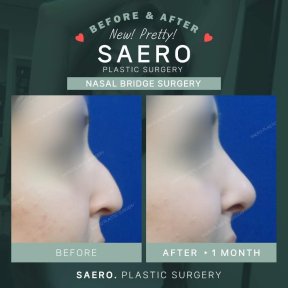
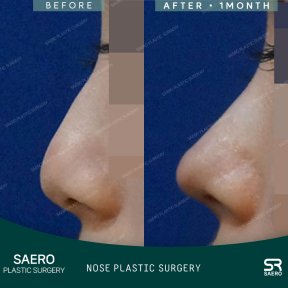
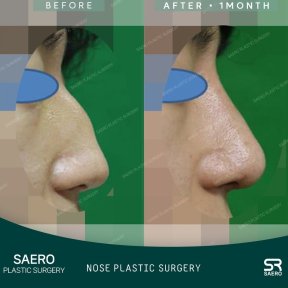
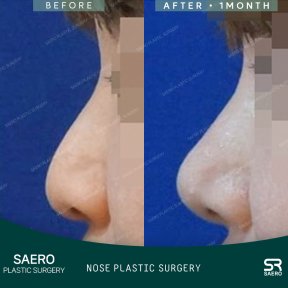
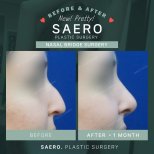
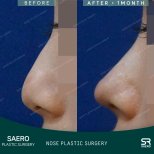
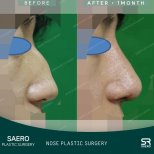
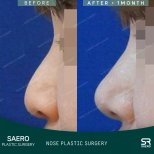
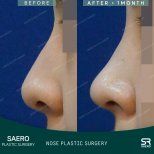
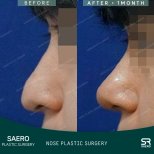
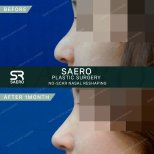
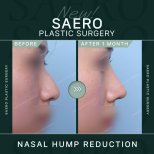
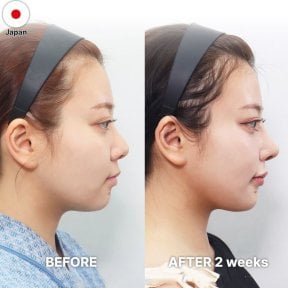
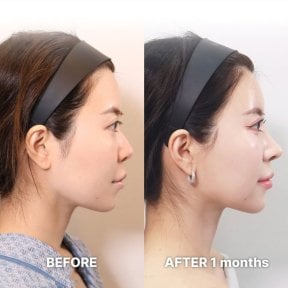
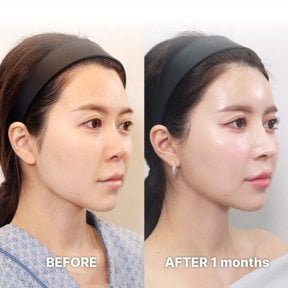
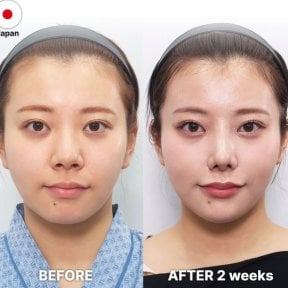
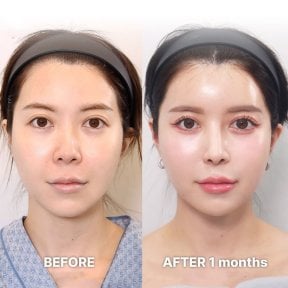
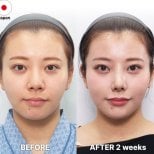
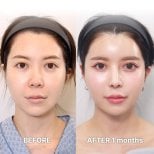
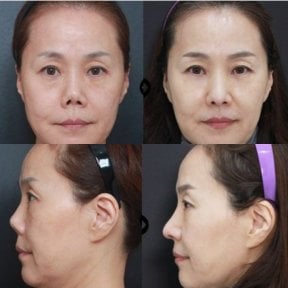
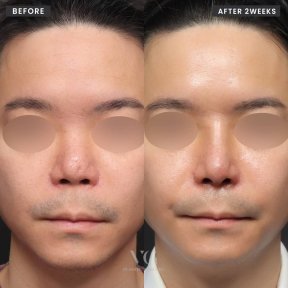
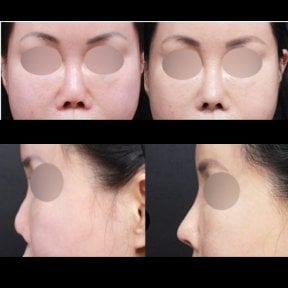
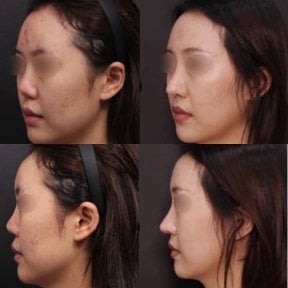
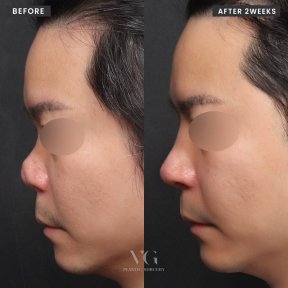
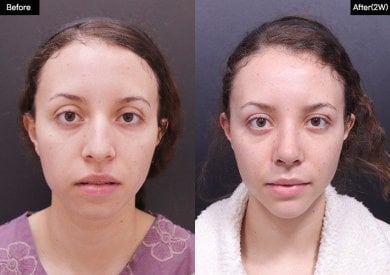
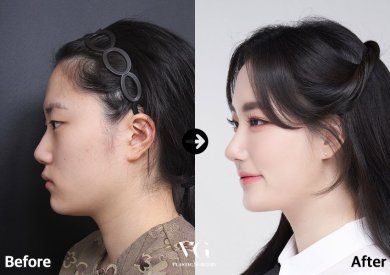
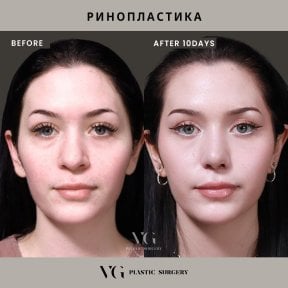
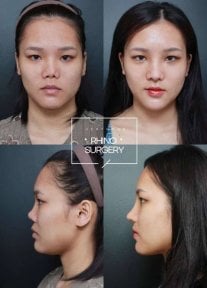
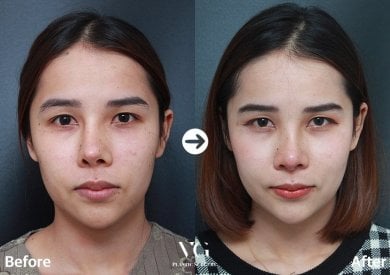
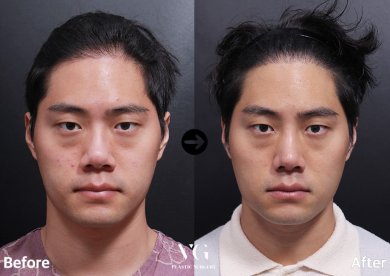
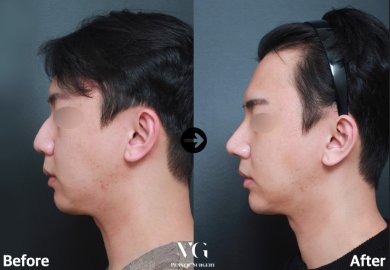
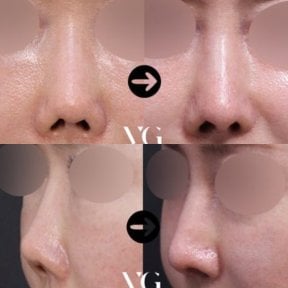
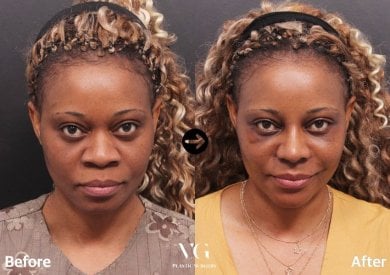
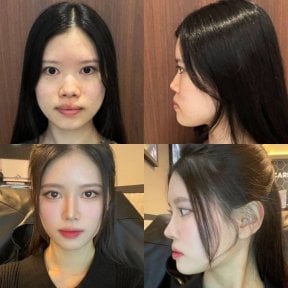
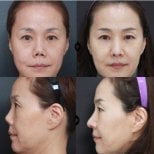
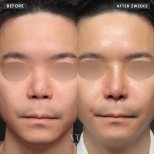
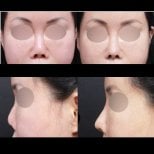
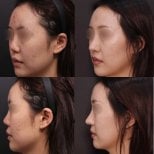
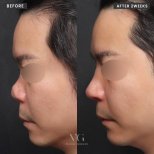
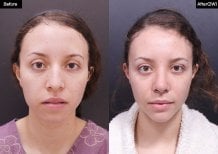
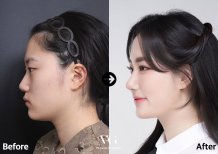
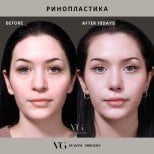
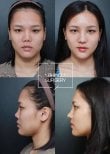
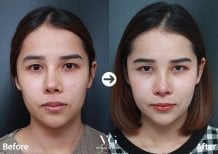
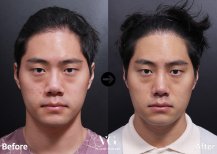
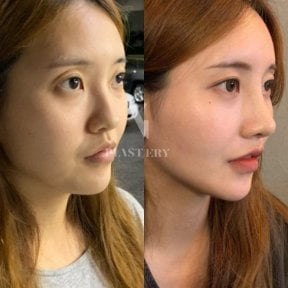
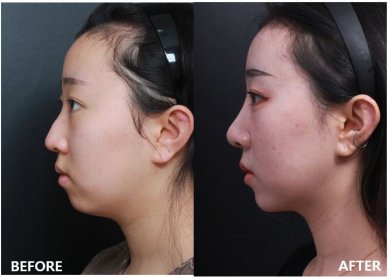
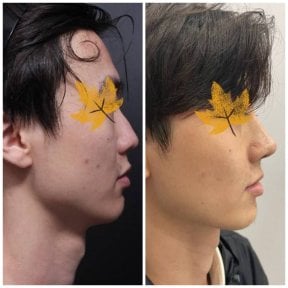
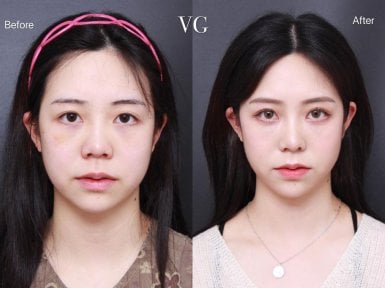
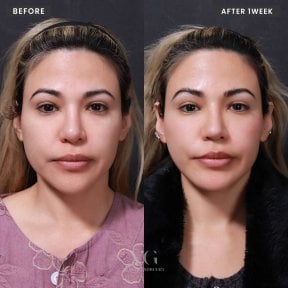
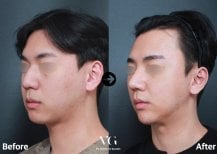
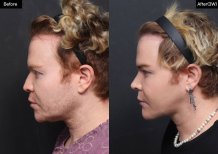
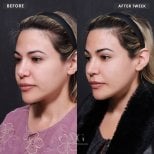
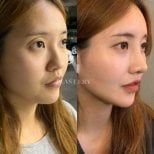
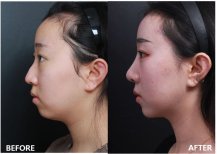
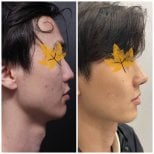
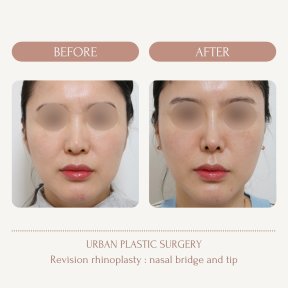
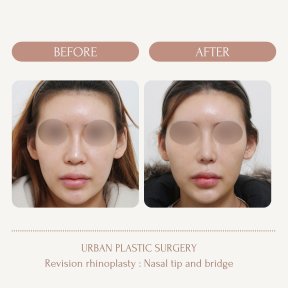
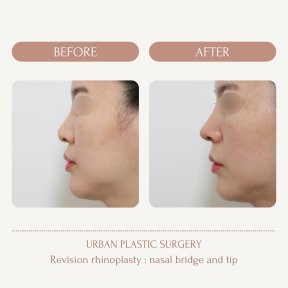
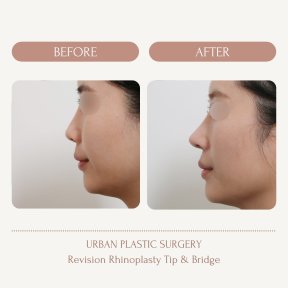
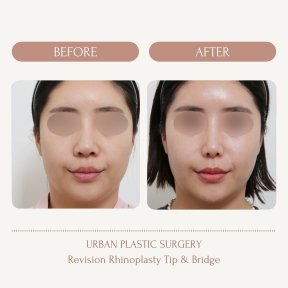
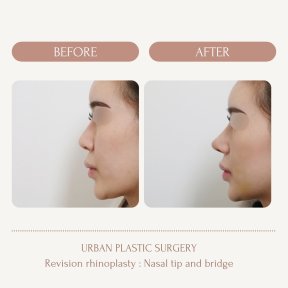
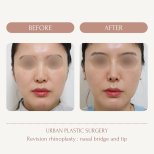
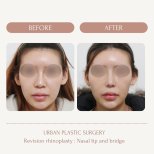
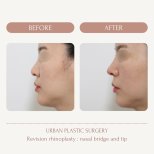
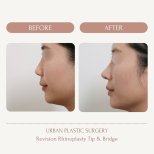
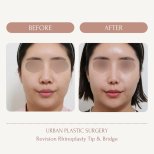
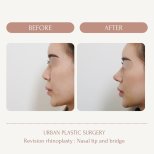
Елітні фахівці з ревізійної ринопластики в Південній Кореї обіймають керівні посади в Корейському товаристві досліджень ринопластики. Ці сертифіковані хірурги, такі як доктор Кім Сон Сік і доктор Пак Йон Гю, спеціалізуються на складній реконструкції носа. Вони часто використовують аутологічні тканини для забезпечення природних результатів і структурної цілісності.
- Академічне лідерство: Доктор Кім Йон Ин є головою Корейського товариства пластичних хірургів.
- Спеціалізовані методики: Доктор Пак Йон Гю використовує ультразвукове дослідження високої роздільної здатності для точної оцінки ін'єкцій сторонніх тіл.
- Міжнародна підготовка: Доктор Син-хюн Но і доктор Лі Чон Сок пройшли поглиблену клінічну підготовку в США.
- Складна реконструкція: Доктор Чой Ин Кю має понад 20 років досвіду в вторинній реконструкції обличчя.
Експертна думка Bookimed: Дані показують, що провідні корейські фахівці з ревізії часто є членами керівних комітетів дослідницьких товариств, а не просто практикуючими лікарями загального профілю. Наприклад, доктор Кан Мун Сок у клініці пластичної хірургії Wonjin одночасно обіймає посади в трьох окремих дослідницьких товариствах. Така академічна залученість свідчить про хірурга, який робить внесок у новітні протоколи безпеки та складні хірургічні методики.
Консенсус пацієнтів: Пацієнти зазначають, що повторні операції вимагають більшого, ніж просто косметичних змін. Вони наголошують на важливості пошуку хірургів, які надають перевагу структурній корекції, а не драматичному «інстаграмному вигляду». Багато хто був здивований тим, що відновлення проходило швидше, коли вони обирали клініки, які надають інтенсивні процедури проти набряків після операції.