На головну сторінку
4.6/5
TrustPilot

Найкращі лікарі з блефаропластики нижніх повік в Варшава – ТОП-1 лікар

Порівняйте топових лікарів з Блефаропластика нижніх повік та ціни у Польща. Підібрати найкращого фахівця тут.

Отримайте пропозиції від 3 кращих спеціалістів з Блефаропластика нижніх повік у Польща

Ми підберемо найкращих лікарів відповідно до ваших потреб і бюджету.

Найкращі лікарі

1

Польща

Відгуки

14000+

Від реальних пацієнтів

Обирайте країну з найкращими цінами на послуги лікарів

Порівняйте ціни на Блефаропластика нижніх повік по лідируючих країнах

Натисніть на країну, щоб побачити топ-лікарів і ціни

Ukraine
Czech Republic
Poland
Thailand
Mexico
South Korea
$500 - $2,700
$700 - $1,900
$900 - $3,400
$1,100 - $1,600
$1,200 - $1,900
$1,900 - $3,200
$0
$1,000
$2,000
$3,000
$4,000

Що пацієнти Bookimed насправді платять за Блефаропластика нижніх повік у Польща

Найпопулярніший діапазон

$1K

$1.25K

$1.5K

$2K

$2.5K

$1,600 – $2,100

Більшість пацієнтів сплачують у цьому діапазоні

Точна вартість залежить від вибраного лікаря, методу, зони лікування та ваших індивідуальних потреб.

Отримайте точний розрахунок для вашого випадку.

Отримайте безкоштовні персоналізовані плани лікування та оберіть найкращий варіант. Ніяких зобов'язань · Безкоштовно для вас

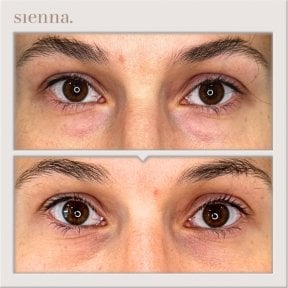
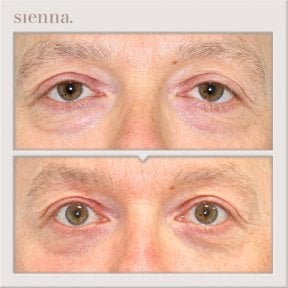
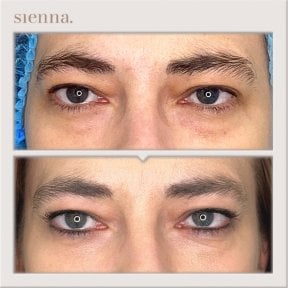
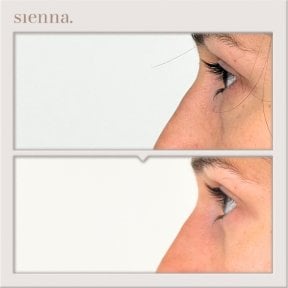
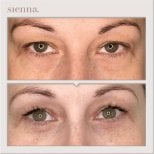
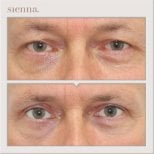
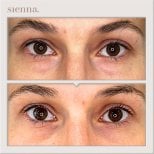
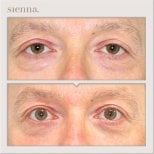
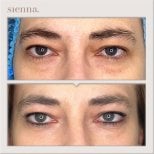
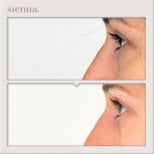
Antoni Krajewski

  • Нове
  • 15 років досвіду
  • Локація: Польща, Варшава
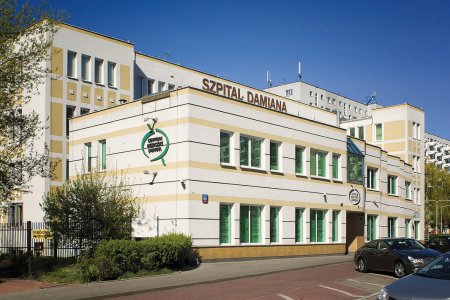
  • Клініка:Клініка Sienna
  • Д-р Антоні Краєвський закінчив Медичний університет Лодзі. Спеціалізацію пройшов у відділенні загальної, судинної та онкологічної хірургії Мендзилеського спеціалізованого шпиталю у Варшаві. Нині продовжує там працювати.

    Його діяльність охоплює загальну хірургію, естетичну медицину та естетичну хірургію. Підвищує кваліфікацію на міжнародних тренінгах і наукових симпозіумах.

    Ділиться експертними знаннями як тренер з естетичної медицини. У співпраці з Центром медичної освіти LUX MED проводить курси з техніки FUE з пересадки волосся.

  • Читати далі
Ціна пакета від$1,943.92

Обрати клініку за кордоном може бути непросто. Команда Bookimed допомогла вже більш ніж 800 тисячам пацієнтів і розуміє ваші побоювання. Ми знаємо, як знайти надійних лікарів, варіанти з найкращим співвідношенням ціни та якості й рішення навіть для складних випадків. Ми готові підтримати вас на кожному етапі цього шляху.

Ян Мацієвський

Керівник команди лікарів-координаторів

Супроводжено 4300++ історій пацієнтів

3 років у Bookimed

752 пацієнтів з Poland знайшли свого лікаря через нас цього місяця

Як ви отримаєте ідеального лікаря

1

2 хвилини тесту

Розкажіть про вашу мету, бюджет, терміни

2

Людський підбір + ШІ

Наш алгоритм знаходить відповідність, координатор перевіряє відповідність

3

Ваші варіанти готові

Зрівняйте ціни, пакети, дати. Спілкуйтеся з координатором

Відчуваєте розгубленість серед варіантів?

Ваш персональний Координатор Bookimed допоможе знайти ідеального хірурга під ваші потреби

  • Підтримка 24/7 на кожному етапі
  • Допомагає підібрати лікаря та веде всю комунікацію з клініками
  • Організовує вашу подорож, проживання та трансфери

Супровід лікування

Персональні координатори з медичною освітою

Peguy Beaugris
Tetyana Hyrych
Zekra Eldeeb
Victoria Olayinka
Iryna Sydorchuk
Tetiana Ihnatiuk

Як правильно обрати лікаря та клініку: рекомендації експертів

Обираючи лікаря або клініку, пам'ятайте про ці ключові моменти:
Перевірте кваліфікацію
Переконайтеся в наявності сертифікатів від таких організацій, як ISAPS, JCI тощо.
Дізнайтеся про успішність процедур
Обирайте лікарів із великим досвідом у потрібній вам сфері.
Прочитайте відгуки пацієнтів
Перегляньте відгуки реальних пацієнтів на сайті Bookimed, щоб дізнатися про їхній досвід із перших уст.
Переконайтеся в можливості ефективної комунікації
Обирайте клініки, що надають послуги перекладача, щоб ваш візит пройшов максимально комфортно.
Запитайте про доступні послуги
Уточніть, чи включає вартість послуги такі складові, як проживання, місцеві трансфери та післяопераційний супровід, щоб уникнути прихованих витрат.

Огляд Bookimed: Найкращі фахівці з блефаропластики нижніх повік в Польщі (2026)

Bookimed координував 28 запитів на блефаропластику нижніх повік у Польщі, співпрацюючи з 1 топових фахівців. Лікарі в цій таблиці обрані за міжнародними сертифікатами, клінічним досвідом та результатами лікування пацієнтів. Рейтинг 2026 створено на основі перевірених даних про реальні випадки пацієнтів і чинних програм клінік-партнерів.
РейтингЛікардосвідПідходить дляЩо їх відрізняєКлініка та локаціяКонсультація

FAQ

Ці запитання надходять від реальних пацієнтів, які шукають медичну допомогу через Bookimed. Відповіді дають досвідчені лікарі-координатори та офіційні представники клінік.

What are the main risks and possible complications of lower-eyelid blepharoplasty?

Lower eyelid blepharoplasty carries risks including temporary swelling, bruising, and dry eye irritation. Major complications such as eyelid malposition or retraction can occur if too much skin is removed. Serious but rare risks include hematoma or vision disturbances, though most procedures in Poland follow strict ISO safety standards.

  • Eyelid malposition: Retraction or ectropion affects 5–10% of cases, potentially causing chronic tearing.
  • Persistent dryness: Gritty sensations or irritation can last 3–6 months following muscle disruption.
  • Aesthetic concerns: Fat over-resection may create a hollowed or sunken appearance as patients age.
  • Safety standards: Clinics like KCM Clinic and Beauty Group maintain ISO-certified quality protocols.

Bookimed Expert Insight: While lower eyelid surgery can cost up to $3,300 in Poland, the real value lies in surgical approach. Data indicates that clinics like Sienna Clinic prioritize conservative fat preservation. This technique prevents the permanent hollowed look and significantly reduces the need for expensive secondary revision surgeries later.

Patient Consensus: Many patients emphasize that recovery takes longer than expected, with swelling often persisting for 4 weeks. They strongly recommend using lubricating drops daily and choosing a surgeon who favors the transconjunctival approach to avoid visible scarring.

How should I prepare for surgery and what happens during the first week of recovery?

Preparing for lower eyelid blepharoplasty in Poland requires stopping blood thinners and supplements two weeks prior. Patients must maintain a 45-degree sleeping position. Within the first week, swelling peaks around day 3, but most visual recovery and stitch removal occur by day 7.

  • Pre-op medications: Stop aspirin, ibuprofen, and vitamin E 14 days before your scheduled surgery date.
  • Daily supplements: Start arnica pills 7 days prior to significantly minimize bruising and inflammation.
  • Immediate recovery: Use frozen pea packs during days 2–4 to manage peak surgical swelling effectively.
  • Vision care: Wear oversized sunglasses and apply saline washes to treat light sensitivity and dryness.
  • Physical activity: Avoid bending or heavy lifting for 7 days to prevent internal ocular bleeding.

Bookimed Expert Insight: While many Polish clinics like KCM Clinic offer specialized international packages, patients often overlook the environmental impact of local hotels. Central heating in Warsaw or Krakow accommodations can severely dry out eyes during the first week. We recommend bringing high-quality lubricating drops and ensuring your hotel room has adjustable climate control to prevent corneal irritation during the critical healing phase.

Patient Consensus: Patients report that light sensitivity is the most challenging part of the first week, requiring dark rooms. Most find that 80% of bruising fades by day 5, allowing for a comfortable flight home after 1 week.

Who is a good candidate for lower-blepharoplasty and are there non-surgical alternatives?

Candidates for lower blepharoplasty typically exhibit persistent under-eye bags, herniated fat deposits, or significant skin laxity. Successful outcomes often involve patients with good skin elasticity. Non-surgical alternatives like dermal fillers or laser resurfacing effectively address mild volume loss and fine lines without surgical downtime.

  • Ideal candidates: Patients with fat herniation and minimal skin laxity see best results.
  • Structural signs: Surgery corrects permanent puffiness, deep folds, and visible lower sclera sagging.
  • Surgical techniques: Transconjunctival approaches suit fat removal while external incisions address excess skin.
  • Dermal fillers: Injectables like hyaluronic acid camouflage hollow tear troughs for 6–18 months.
  • Energy devices: Radiofrequency or ultrasound treatments firm skin by stimulating natural collagen production.

Bookimed Expert Insight: Poland has emerged as a high-value hub where clinics like KCM Clinic hold ISO certifications. Many patients mistakenly assume fat removal fixes dark hollows. Our data suggests a growing trend where surgeons increasingly perform fat repositioning rather than simple removal. This technique uses your own tissue to fill hollows, creating a smoother transition than traditional excision alone.

Patient Consensus: Many patients recommend using fillers as a reversible trial before committing to permanent surgery. They often note that addressing allergies or sleep habits can significantly improve minor puffiness before surgical intervention.

Will there be visible scars after lower-eyelid blepharoplasty?

Visible scarring is rare after lower-eyelid blepharoplasty because incisions are placed inside the eyelid or hidden under lashes. Post-operative pinkness typically fades within 3 to 6 months. By 12 months, incisions mature into nearly invisible, pale lines that blend with natural skin creases.

  • Transconjunctival method: This internal approach leaves zero visible external scarring after the procedure.
  • Subciliary approach: Surgeons place fine external incisions 1–2 millimeters below the lower eyelash line.
  • Healing timeline: Initial pinkness fades by month 6, becoming nearly invisible after 1 year.
  • Tissue quality: Thin eyelid skin has high blood supply, promoting rapid, high-quality tissue repair.

Bookimed Expert Insight: Poland has become a top-5 global destination for plastic surgery due to high surgeon volume. Large centers like Surgery in Poland treat 20,000 patients annually. This high frequency allows surgeons to master the transconjunctival approach, which eliminates external scars entirely for patients only requiring fat removal.

Patient Consensus: Patients emphasize that early post-op pinkness at 2 weeks is temporary and fades dramatically by month 3. Most recommend using silicone gel and strict sun protection to ensure scars remain imperceptible at the 1-year mark.

How long does swelling last and when can I fly home after surgery in Poland?

Swelling after lower eyelid blepharoplasty in Poland typically peaks within 3 to 5 days. While 80 percent of puffiness resolves in 2 to 4 weeks, flying home is safe after 7 to 10 days once surgeons remove your stitches.

  • Swelling peak: Puffiness is most prominent between day 3 and day 5 post-surgery.
  • Flying timeline: Short flights are safe after 7 days; long-haul travel requires 14 days.
  • Stitch removal: Surgeons typically remove sutures on day 7 before clearing you for travel.
  • Social readiness: Most patients look presentable without sunglasses approximately 14 days after the procedure.

Bookimed Expert Insight: Poland attracts over 4,300 international patients annually due to a high density of ISO-accredited clinics. While many focus on Warsaw, clinics like KCM Clinic in Jelenia Góra serve hundreds of UK and German patients. This high volume of international cases means Polish surgeons typically provide fit-to-fly certificates earlier than general practitioners might expect.

Patient Consensus: Many suggest booking flexible return flights to allow for unexpected swelling delays. Patients frequently advise using saline spray and cold compresses to manage dry cabin air during transit.

What should I bring to Poland and how long should I plan to stay in the country?

Plan a stay of 7 to 10 days in Poland for lower eyelid blepharoplasty. This timeframe allows for pre-operative consultations, the procedure, and mandatory stitch removal on day 7. Essential items include high-SPF sunscreen, dark oversized sunglasses for protection, and comfortable button-up clothing.

  • Hospital stay: Plan for 7 days minimum to complete the essential stitch removal process.
  • Essential clothing: Bring button-up shirts to avoid pulling garments over sensitive, post-operative eyes.
  • Post-op care: Pack high-quality sunglasses and cold compresses to manage swelling on days 3-5.
  • Recovery logistics: Stay within cities like Warsaw or Wroclaw for immediate access to follow-up care.

Bookimed Expert Insight: While 5-day stays are possible with no-stitch techniques, 10 days is safer. Clinics like KCM Clinic often serve patients from the UK and Germany. These facilities frequently bundle 1-2 hotel nights into their international surgical programs. Booking these packages ensures professional monitoring during the peak swelling period.

Patient Consensus: Travelers recommend flexible return flights because swelling often peaks unexpectedly on day 4. Most patients suggest sleeping upright with extra pillows and using dark scarves to stay discreet.

How do I verify that the clinic and surgeon in Poland meet international safety standards?

To verify safety standards in Poland, confirm your surgeon is registered with the Polish Chamber of Physicians and Dentists (Naczelna Izba Lekarska). Top facilities like KCM Clinic and Beauty Group hold ISO certifications, ensuring compliance with European Union medical device and safety protocols.

  • Surgeon licensure: Verify credentials through the Central Register of Physicians (NIL) database.
  • Clinical accreditation: Look for ISO 9001 or Polish Ministry of Health certifications.
  • European standards: Ensure the facility meets EN 16372 safety and ethics benchmarks.
  • Specialist focus: Prioritize surgeons certified by the European Society of Aesthetic Plastic Surgery.

Bookimed Expert Insight: While JCI is the global gold standard, many elite Polish clinics prioritize ISO certification and Ministry of Health oversight. KCM Clinic, for example, serves 700 international patients annually by maintaining these exact standards. For lower eyelid blepharoplasty, verify if the surgeon has a secondary specialization in ophthalmology to ensure delicate eye-area expertise.

Patient Consensus: Patients recommend checking the NIL database and requesting unedited photo galleries before booking. Many advise confirming a surgeon has hospital backup privileges rather than just an outpatient office.