На головну сторінку
4.6/5
TrustPilot

Найкращі лікарі з ліпофілінгу в Мехіко – ТОП-4 лікарі

Порівняйте топових лікарів з Ліпофільний та ціни у Мексика. Підібрати найкращого фахівця тут.

Отримайте пропозиції від 3 кращих спеціалістів з Ліпофільний у Мексика

Ми підберемо найкращих лікарів відповідно до ваших потреб і бюджету.

Найкращі лікарі

4

Мексика

Відгуки

14000+

Від реальних пацієнтів

Обирайте країну з найкращими цінами на послуги лікарів

Порівняйте ціни на Ліпофільний по лідируючих країнах

Натисніть на країну, щоб побачити топ-лікарів і ціни

Ukraine
Turkey
South Korea
Thailand
Mexico
Spain
$300 - $2,600
$1,400 - $4,000
$1,900 - $3,200
$2,200 - $4,000
$2,500 - $4,500
$2,500 - $4,500
$0
$1,000
$2,000
$3,000
$4,000
$5,000

Що пацієнти Bookimed насправді платять за Ліпофільний у Мексика

Найпопулярніший діапазон

$1.2K

$1.5K

$1.8K

$2.4K

$3K

$1,800 – $2,400

Більшість пацієнтів сплачують у цьому діапазоні

Точна вартість залежить від вибраного лікаря, методу, зони лікування та ваших індивідуальних потреб.

Отримайте точний розрахунок для вашого випадку.

Отримайте безкоштовні персоналізовані плани лікування та оберіть найкращий варіант. Ніяких зобов'язань · Безкоштовно для вас

Показати спочатку:

275 людей звернулися за розрахунком минулого місяця

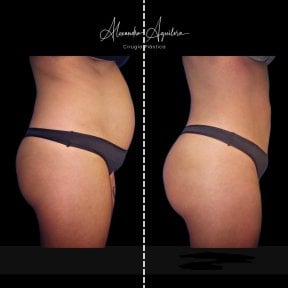
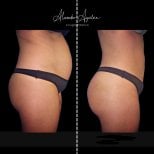
Результати ліпофілінгу до і після в Alexandre Aguilera, помітне покращення контуру тіла
Alexandro Aguilera

Alexandro Aguilera

5 Відмінно1 відгук
18 років досвіду
3000+ процедур на рахунку
Акредитації
Asociación Mexicana de Cirugía Plástica, Estética y Reconstructiva
Federación Ibero Latinoamericana de Cirugía Plástica
Consejo Mexicano de Cirugía Plástica, Estética y Reconstructiva
+1
Локація: Мексика, Мехіко

Спеціаліст із загальної хірургії в Генеральній лікарні Мексики. Підспеціаліст із пластичної та реконструктивної хірургії в Генеральній лікарні ім. д-ра Мануеля Геа Гонсалеса. Диплом лікаря Університету Анахуак дель Норте. Поглиблена підготовка з хірургії кисті в лікарні Ángeles del Pedregal. Додаткова підготовка з хірургії периферичних нервів і лікування паралічу лицевого нерва в Генеральній лікарні ім. д-ра Мануеля Геа Гонсалеса.

Штатний пластичний і реконструктивний хірург у Національному інституті педіатрії. Голова Комітету з безперервної медичної освіти AMCPER (2016–дотепер). Доцент на курсі з експериментальної мікрохірургії під координацією UNAM. Координатор конгресів і лектор.

Відзнаки: Міжнародний грант на поїздку 2016 від Американського товариства реконструктивної мікрохірургії. Перше місце в міжнародному конкурсі резидентів FILACP (2014). Переможець конкурсу досліджень Gea Puis (січень 2014). Перше місце в 42-му Національному конкурсі резидентів ім. д-ра Фернандо Ортіса Монастеріо (2013).

Візит лікаряЦіна за запитом
Клініка д-ра IRERI ASTEINZA
Edmundo Pichardo

Edmundo Pichardo

39 років досвіду
Акредитації
American College of Obstetricians and Gynecologists
Consejo Mexicano de Cirugía Plástica, Estética y Reconstructiva
Joint Commission International
+18
Локація: Мексика, Мехіко
Візит лікаряЦіна за запитом
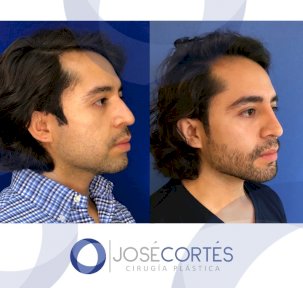
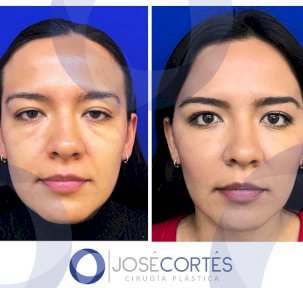
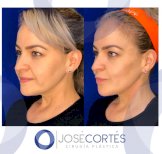
Результати ліпофілінгу обличчя до і після в José Cortés Institute, покращення контуру
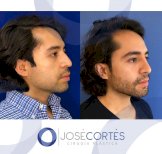
Результати ліпофілінгу до і після в José Cortés Institute, покращений контур обличчя
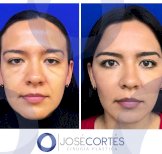
Результати ліпофілінгу до і після в José Cortés Institute, покращення контуру обличчя
Jose Cortes

Jose Cortes

5 Відмінно4 відгуки
20 років досвіду
Акредитації
Asociación Mexicana de Cirugía Plástica, Estética y Reconstructiva
American Society of Plastic Surgeons
Consejo Mexicano de Cirugía Plástica, Estética y Reconstructiva
+1
Локація: Мексика, Мехіко
Клініка:
5.0
José Cortés Institute

Доктор Хосе Кортес — провідний пластичний хірург у Мехіко, який спеціалізується на естетичних та реконструктивних процедурах, включаючи ліпофілінг.

  • Член Міжнародної федерації терапії та науки про жирову тканину (IFATS)
  • Удостоєний звання найкращого пластичного хірурга Мексики за версією журналу Lideres Magazine
  • Пройшов курси вищої спеціалізації в галузі естетичної хірургії обличчя та тіла
  • Опублікував близько 10 наукових статей у Мексиці та Японії
Візит лікаряЦіна за запитом
Клініка д-ра IRERI ASTEINZA
Walter Querevalú

Walter Querevalú

36 років досвіду
Акредитації
American College of Obstetricians and Gynecologists
Consejo Mexicano de Cirugía Plástica, Estética y Reconstructiva
Joint Commission International
+18
Локація: Мексика, Мехіко
Візит лікаряЦіна за запитом

Обрати клініку за кордоном може бути непросто. Команда Bookimed допомогла вже більш ніж 800 тисячам пацієнтів і розуміє ваші побоювання. Ми знаємо, як знайти надійних лікарів, варіанти з найкращим співвідношенням ціни та якості й рішення навіть для складних випадків. Ми готові підтримати вас на кожному етапі цього шляху.

Ян Мацієвський

Керівник команди лікарів-координаторів

Супроводжено 4300++ історій пацієнтів

3 років у Bookimed

489 пацієнтів з Mexico знайшли свого лікаря через нас цього місяця

Як ви отримаєте ідеального лікаря

1

2 хвилини тесту

Розкажіть про вашу мету, бюджет, терміни

2

Людський підбір + ШІ

Наш алгоритм знаходить відповідність, координатор перевіряє відповідність

3

Ваші варіанти готові

Зрівняйте ціни, пакети, дати. Спілкуйтеся з координатором

Відчуваєте розгубленість серед варіантів?

Ваш персональний Координатор Bookimed допоможе знайти ідеального хірурга під ваші потреби

  • Підтримка 24/7 на кожному етапі
  • Допомагає підібрати лікаря та веде всю комунікацію з клініками
  • Організовує вашу подорож, проживання та трансфери

Супровід лікування

Персональні координатори з медичною освітою

Peguy Beaugris
Tetyana Hyrych
Zekra Eldeeb
Victoria Olayinka
Iryna Sydorchuk
Tetiana Ihnatiuk

Як правильно обрати лікаря та клініку: рекомендації експертів

Обираючи лікаря або клініку, пам'ятайте про ці ключові моменти:
Перевірте кваліфікацію
Переконайтеся в наявності сертифікатів від таких організацій, як ISAPS, JCI тощо.
Дізнайтеся про успішність процедур
Обирайте лікарів із великим досвідом у потрібній вам сфері.
Прочитайте відгуки пацієнтів
Перегляньте відгуки реальних пацієнтів на сайті Bookimed, щоб дізнатися про їхній досвід із перших уст.
Переконайтеся в можливості ефективної комунікації
Обирайте клініки, що надають послуги перекладача, щоб ваш візит пройшов максимально комфортно.
Запитайте про доступні послуги
Уточніть, чи включає вартість послуги такі складові, як проживання, місцеві трансфери та післяопераційний супровід, щоб уникнути прихованих витрат.

Огляд Bookimed: Найкращі фахівці з ліпофілінгу в Мексиці (2026)

Bookimed координував 63 запити на ліпофілінг у Мексиці, співпрацюючи з 4 топових фахівців. Лікарі в цій таблиці обрані за міжнародними сертифікатами, клінічним досвідом та результатами лікування пацієнтів. Рейтинг 2026 створено на основі перевірених даних про реальні випадки пацієнтів і чинних програм клінік-партнерів.
РейтингЛікардосвідПідходить дляЩо їх відрізняєКлініка та локаціяКонсультація
#120 років досвідуЕстетичний ліпофілінгСпеціаліст з естетичного ліпофілінгу, член IFATS. Визнаний найкращим пластичним хірургом Мексики, має велику підготовку в галузі естетики тіла та обличчя.
Мексика
від $80

FAQ

Ці запитання надходять від реальних пацієнтів, які шукають медичну допомогу через Bookimed. Відповіді дають досвідчені лікарі-координатори та офіційні представники клінік.

Is it safe to get fat grafting done in Mexico?

Fat grafting in Mexico is safe when performed by surgeons certified by the Mexican Council of Plastic Surgery (CMCPER). High-security facilities in Tijuana, Mexico City, and Guadalajara maintain international safety standards using advanced purification techniques to ensure 95-99% success rates for fat survival.

  • Surgeon credentials: Verify certification from the Asociación Mexicana de Cirugía Plástica (AMCPER) for legal surgical authority.
  • Facility standards: Choose clinics with JCI or General Health Council (CSG) accreditation to ensure emergency infrastructure.
  • Technique safety: Surgeons like Dr. Arturo Munoz Meza maintain 20-year records with no severe complications.
  • Patient screening: Certified centers reject same-day surgeries, requiring pre-operative lab work to clear physical health.

Bookimed Expert Insight: Data shows a high concentration of world-class plastic surgeons in Mexico City, like Dr. Jose Cortes, who holds multiple high-specialty certifications. While Tijuana is popular for proximity, Mexico City clinics often feature deeper academic credentials and pioneer technologies like ultrasonic-assisted grafting, which can improve long-term fat retention.

Patient Consensus: Patients emphasize that safety relies on choosing a board-certified surgeon over the lowest price. Many report that while fat grafting feels less invasive than implants, results depend heavily on biological fat survival and follow-up care.

Are lipofilling results permanent?

Lipofilling results are permanent once the transferred fat cells successfully integrate into your body. While roughly 30% to 50% of the fat is naturally reabsorbed within 6 months, surviving cells establish a permanent blood supply and behave like native tissue for life.

  • Survival timeline: Final volume stabilizes within 3 to 6 months after initial reabsorption.
  • Body fluctuations: Surviving fat cells expand or shrink alongside overall body weight changes.
  • Aging impact: Results are subject to natural skin elasticity loss and aging over time.
  • Surgical technique: Proper handling by AMCPER-certified surgeons ensures a higher graft survival rate.

Bookimed Expert Insight: Data shows Mexican clinics like José Cortés Institute often achieve high survival rates through specialized techniques. While the US average cost is $8,500, choosing Mexico offers 59% savings. This price gap allows patients to budget for a second refinement session if reabsorption exceeds expectations.

Patient Consensus: Many patients suggest waiting 6 months to see final volume. They emphasize that while fat is more durable than fillers, multiple sessions are sometimes needed to achieve the desired look.

Who is considered an ideal candidate?

An ideal candidate for lipofilling in Mexico is a healthy adult with stable weight and sufficient harvestable donor fat in areas like the abdomen or thighs. Successful patients typically seek natural volume restoration in the face, breasts, or buttocks and maintain realistic expectations regarding fat survival rates.

  • Donor sites: Must have adequate fat deposits on the flanks, back, or stomach for harvesting.
  • Weight stability: Should maintain a consistent weight to prevent transferred fat cells from shrinking or expanding.
  • Overall health: Non-smokers without uncontrolled diabetes ensure optimal healing and higher graft survival percentages.
  • Tissue quality: Firm skin without heavy scarring allows the injected fat to integrate more effectively.

Bookimed Expert Insight: While many clinics offer fat grafting, surgeon experience with high patient volumes is the strongest indicator of success. Dr. Alexandro Aguilera at his Mexico City clinic has performed over 3,000 procedures. Selecting a specialist with this level of repetition often leads to better fat retention and fewer touch-up sessions, despite the natural 30% to 50% absorption rate.

Patient Consensus: Many patients find that multiple sessions are often necessary to reach their goal volume since not all fat survives. Those who prepare for subtle, natural-looking refinements rather than dramatic one-time changes report the highest satisfaction levels.

Is it safe to get lipofilling done in Mexico?

Lipofilling in Mexico is safe when performed by surgeons certified by the Mexican Council of Plastic, Aesthetic and Reconstructive Surgery (CMCPER). High-tier clinics in Tijuana, Mexico City, and Guadalajara utilize advanced fat-processing technologies and maintain rigorous safety standards comparable to major US facilities.

  • Surgeon credentials: Verify CMCPER certification and AMCPER membership to ensure expert training and ethical standards.
  • Facility safety: Choose centers with COFEPRIS approval or JCI accreditation to guarantee medical safety protocols.
  • Clinical expertise: Top surgeons like Dr. Jose Cortes have performed thousands of successful body contouring procedures.
  • Safety records: Established clinics such as Dr. Arturo Muñoz Meza Plastic Surgery report no severe complications.

Bookimed Expert Insight: Data shows that the highest-rated Mexican specialists often hold multiple international affiliations, including ASPS and ISAPS. While you can save up to 59% compared to US costs, the real differentiator is experience. Surgeons at the Jose Cortes Institute maintain 95-99% success rates by specializing deeply in specific body areas rather than performing general surgery.

Patient Consensus: Patients emphasize that choosing a board-certified surgeon is more critical than the clinic's location. They often suggest budgeting for future touch-ups, as some transferred fat naturally reabsorbs during the first 3 months.

What specific questions should I ask a Mexican surgeon about their technique?

Ask your Mexican surgeon about their fat harvesting method, specifically whether they use manual, power-assisted, or ultrasound-assisted liposuction. Inquire about their fat processing steps, like centrifugation or filtering. Finally, confirm if they use layered, small-aliquot injections to ensure fat survival and prevent necrosis.

  • Fat harvesting: Ask about cannula size and suction method to ensure gentle cell preservation.
  • Processing technique: Confirm if they decant, wash, or centrifuge to removes impurities from grafts.
  • Injection method: Verify use of multiple planes to maximize blood supply and avoid lumps.
  • Survival expectations: Discuss realistic fat retention percentages and the potential need for second sessions.
  • Safety protocols: Ask how they avoid blood vessels to prevent serious vascular injection complications.

Bookimed Expert Insight: Look for surgeons with dual memberships in AMCPER and the American Society of Plastic Surgeons (ASPS), like Dr. Jose Cortes. This cross-border certification signifies they meet rigorous safety standards shared by both Mexico and the US. Data shows top-tier Mexican clinics often handle 500 to 2,500 patients annually, suggesting high proficiency in these refined techniques.

Patient Consensus: Patients emphasize requesting photos of previous cases with similar body types and skin quality. They frequently mention that clear, plain-language explanations of aftercare protocols are more reliable than vague marketing promises.

What are the main medical risks associated with the procedure?

Lipofilling in Mexico carries specific risks including fat reabsorption, which may lead to unpredictable volume loss or asymmetry. Patients also face potential contour irregularities, oil cysts, or fat necrosis. Major complications remain rare in facilities accredited by the Mexican Council of Plastic, Aesthetic and Reconstructive Surgery.

  • Fat reabsorption: Transferred fat may not survive, requiring additional sessions for desired volume.
  • Contour irregularities: Uneven fat distribution can result in lumps, nodules, or visible asymmetry.
  • Fat necrosis: Poorly vascularized fat cells may die, forming firm and painful tissue lumps.
  • Infection risk: Common surgical risks include infection, particularly when lipofilling is paired with liposuction.

Bookimed Expert Insight: Choosing a surgeon with high specialization counts, like Dr. Alexandro Aguilera who has performed 3,000 procedures, significantly reduces risk. While price ranges between $2,500 and $4,500, the safest outcomes often correlate with clinics holding both Joint Commission International and AMCPER accreditations. Specialized centers like the José Cortés Institute maintain 95%+ success rates by using advanced fat-purification technologies.

Patient Consensus: Many patients report that swelling lasts longer than expected, sometimes masking the final results for months. They emphasize the need to prepare for potential touch-up procedures if fat absorption occurs unevenly.

Are the results of fat grafting permanent?

Fat grafting results are permanent once transferred cells establish a blood supply, typically within 6 months. While about 50% to 70% of fat survives long-term, these cells behave like natural tissue. They expand or shrink with weight changes and age alongside your surrounding anatomy.

  • Survival rate: Approximately 50% to 70% of transferred cells integrate permanently into the target area.
  • Stabilization period: The body reabsorbs 30% to 50% of fat during the first 6 months.
  • Weight impact: Grafted fat is living tissue that fluctuates in size with your overall weight.
  • Long-term aging: While cells remain, natural bone and skin volume loss continues over time.

Bookimed Expert Insight: Mexico is a global hub for fat grafting, ranking 2nd in popularity with over 11,400 requests served. High-volume clinics like José Cortés Institute maintain 95% survival rates by using refined techniques. Surgeons often overfill slightly to account for natural resorption, so your final volume only locks in after 24 weeks.

Patient Consensus: Many patients find the first 12 weeks stressful as swelling subsides and fat settles. Staying at a stable weight is the most common advice to keep your new curves looking consistent.

What does the timeline for recovery look like?

Initial recovery from lipofilling in Mexico typically takes 7 to 14 days for returning to work. While bruising and swelling subside within 2 to 4 weeks, final results only stabilize after 3 to 6 months as the grafted fat cells settle.

  • Immediate downtime: Most patients manage soreness and swelling within the first 7 days.
  • Activity restrictions: Heavy exercise and direct pressure on grafted areas are restricted for 6 weeks.
  • Symptom management: Donor site soreness often exceeds discomfort at the injection site during week 1.
  • Final results: Permanent body contouring outcomes become visible between 3 and 6 months post-surgery.

Bookimed Expert Insight: While many focus on the injection site, data from clinics like José Cortés Institute and Dr. Arturo Muñoz Meza shows the donor liposuction area requires more intensive aftercare. Clinics in Tijuana and Mexico City often emphasize that early volume is temporary; expect 20-40% of transferred fat to naturally reabsorb during the first 3 months.

Patient Consensus: Recovery is fast initially but takes months to fully settle. Patients frequently report that the donor site soreness is the most annoying part, while protecting the grafted fat from pressure is the biggest challenge.

What questions should I ask my surgeon during a consultation?

Ask about the surgeon's Mexican Council of Plastic Aesthetic and Reconstructive Surgery (AMCPER) certification and their specific fat graft survival rates. Inquire about the harvesting technique, donor site recovery, and the number of sessions required to achieve your desired aesthetic goals in Mexico.

  • Surgeon credentials: Verify AMCPER or CMCPER board certification and International Society of Aesthetic Plastic Surgery membership.
  • Survival rates: Ask what percentage of transferred fat typically survives based on their personal results.
  • Harvesting method: Confirm if they use manual or machine-assisted liposuction to preserve fat cell viability.
  • Complication management: Ask how they specifically prevent and treat potential fat necrosis or oil cysts.

Bookimed Expert Insight: While many clinics offer lipofilling, top-tier Mexican surgeons like Dr. Jose Cortes often have a background in microsurgery or reconstructive work. This specialized training is vital for fat grafting because successful outcomes depend on delicate `small-aliquot` injection techniques to ensure each fat cell gains a blood supply. High-volume specialists often perform over 2,000 procedures, significantly reducing the risk of asymmetry compared to generalists.

Patient Consensus: Patients emphasize asking for `healed` photos rather than immediate post-op results to see the true final volume. Many suggest confirming which recovery steps can be managed remotely once you return home.

What are the absolute rules for protecting transferred fat?

Protecting transferred fat requires strictly avoiding physical pressure and vascular constriction during the critical 12-week healing window. Success depends on neovascularization, where new blood vessels must connect to the grafted cells. Patients must completely avoid nicotine and extreme temperatures to prevent cell death and reabsorption.

  • Pressure management: Use specialized pillows to keep weight off treated areas for 6 weeks.
  • Nicotine cessation: Stop all smoking and vaping 6 weeks before and after surgery.
  • Temperature control: Avoid ice packs or hot tubs that disrupt fragile micro-droplet stability.
  • Weight stability: Maintain a consistent weight to prevent newly grafted fat from shrinking.

Bookimed Expert Insight: Mexican clinics like José Cortés Institute and Riviera Institute specialize in high-volume fat transfers, often serving over 2,500 patients annually. Data shows that successful outcomes in Mexico correlate with surgeons who hold Mexican Council of Plastic Aesthetic and Reconstructive Surgery (CMCPER) certification. These experts emphasize that the first 14 days determine overall graft retention rates.

Patient Consensus: Patients emphasize that you should never cheat on sitting or sleeping rules even for a minute. Many recommend setting up your recovery space with donut pillows and back-sleeping aids before arriving in Mexico.

What does the recovery timeline look like?

Recovery from lipofilling in Mexico generally takes 4 to 6 months for final results, though most patients resume light activities within 7 to 14 days. This two-site healing process involves managing soreness at both the fat collection donor site and the injection graft site.

  • Initial phase: First 1 to 2 weeks require rest to manage bruising and donor site soreness.
  • Activity restrictions: Strenuous exercise and direct pressure on grafted areas must be avoided for 4 weeks.
  • Swelling normalization: Swelling often causes temporary asymmetry but typically stabilizes between weeks 2 and 6.
  • Final outcome: Fat survival and permanent contouring results are officially assessed 3 to 6 months post-surgery.

Bookimed Expert Insight: Data from top-rated Mexican clinics like José Cortés Institute and Riviera Institute shows that recovery duration depends heavily on the donor site. Patients often report that the liposuction area feels more sensitive than the graft site itself. Choosing surgeons with high patient volumes, such as Dr. Alexandro Aguilera who has performed 3,000+ procedures, ensures expert guidance on managing this specific dual-site discomfort.

Patient Consensus: Expect the donor sites to feel tighter and more painful than the areas where fat was injected. Many patients describe an initial heavy feeling and recommend planning for several weeks of wearing compression garments to manage fluctuating swelling.

What specific post-op rules must I follow?

Lipofilling recovery in Mexico requires strict pressure management and nicotine avoidance to ensure fat cell survival. You must avoid sitting or sleeping directly on grafted areas for at least 2 to 3 weeks. Surgeons at accredited facilities like Jose Cortes Institute emphasize maintaining blood flow to protect your new volume.

  • Pressure management: Avoid sitting or lying on grafted zones to prevent crushing new fat cells.
  • Nicotine restriction: Stop smoking or vaping entirely as nicotine severely reduces fat graft survival rates.
  • Sleeping position: Maintain an elevated, back-sleeping position after facial grafting to minimize localized swelling.
  • Compression care: Wear garments only on donor sites to manage swelling without compressing grafted areas.

Bookimed Expert Insight: While many focus on the transfer, fat survival depends on the donor site recovery. Top Mexico City clinics like Jose Cortes Institute perform high volumes of these procedures. Our data shows that clinics offering specialized post-op monitoring for international patients help stabilize results before you fly home.

Patient Consensus: Patients emphasize that early swelling does not reflect your final look. They warn that even light massage or tight clothing can permanently displace grafts during the first month.

When is it safe to fly home after having surgery in Mexico?

Patients should generally wait 7 to 10 days before flying after lipofilling in Mexico to minimize risks of blood clots and fat graft displacement. While minor fat transfers may allow travel after 3 days, extensive procedures Require longer stabilization periods for optimal safety.

  • Travel timeframe: Wait 7 to 14 days for body contouring involving extensive fat transfers.
  • Clot prevention: Wear compression garments and walk the cabin aisle every hour during flight.
  • Surgical clearance: Obtain a fit to fly certificate from your board-certified Mexican plastic surgeon.
  • Support services: Book airport wheelchair assistance to avoid carrying heavy luggage after your surgery.

Bookimed Expert Insight: Many patients underestimate the sitting issue with hip or buttock lipofilling. While clinics like José Cortés Institute or Riviera Institute maintain high success rates, the fat needs 48 hours to begin stabilizing. If your flight home is over 3 hours, you must use a specialized donut pillow. Pressure on the graft site during travel can significantly reduce fat survival rates.

Patient Consensus: Travelers often feel more discomfort on the second day than the first. Most emphasize that building in buffer days for swelling makes the journey home much more manageable.