

На головну сторінку
4.6/5
TrustPilot

Найкращі лікарі з видалення міжхребцевої грижі в Німеччині – ТОП-2 лікарі

Порівняйте топових лікарів з Видалення міжхребцевої грижі та ціни у Німеччина. Підібрати найкращого фахівця тут.

Отримайте пропозиції від 3 кращих спеціалістів з Видалення міжхребцевої грижі у Німеччина

Ми підберемо найкращих лікарів відповідно до ваших потреб і бюджету.

Найкращі лікарі

2

Німеччина

Відгуки

14000+

Від реальних пацієнтів

Обирайте країну з найкращими цінами на послуги лікарів

Порівняйте ціни на Видалення міжхребцевої грижі по лідируючих країнах

Натисніть на країну, щоб побачити топ-лікарів і ціни

Turkey
Poland
South Korea
Ukraine
Mexico
Thailand
$3,400 - $5,500
$3,400 - $6,000
$4,400 - $10,100
$5,200 - $9,200
$6,000 - $17,000
$6,200 - $12,200
$0
$4,000
$8,000
$12,000
$16,000

Що пацієнти Bookimed насправді платять за Видалення міжхребцевої грижі у Німеччина

Найпопулярніший діапазон

$12K+

$13K+

$14K+

$16K+

$18K+

$14,000 – $16,000

Більшість пацієнтів сплачують у цьому діапазоні

Точна вартість залежить від вибраного лікаря, методу, зони лікування та ваших індивідуальних потреб.

Отримайте точний розрахунок для вашого випадку.

Отримайте безкоштовні персоналізовані плани лікування та оберіть найкращий варіант. Ніяких зобов'язань · Безкоштовно для вас

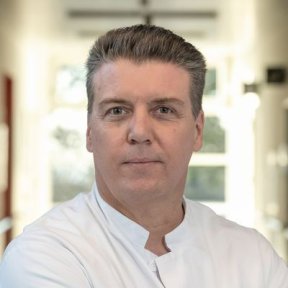
Peter Ulrich

  • Нове
  • акредитації:
  • Локація: Німеччина, Франкфурт на Майні
  • Керівник відділення нейрохірургії клініки «Нордвест» – доктор Ульріх спеціалізується на мікрохірургії головного та спинного мозку, маючи 38 років досвіду.

    • Практикує нейрохірургію з 1985 року
    • Опублікував статті з нейробіології в міжнародних журналах
    • Член Німецького товариства нейрохірургії та EANS
    • Колишній керівник відділень нейрохірургії у 4 німецьких клініках
  • Читати далі
Ціна пакета від$13,368.45

Peter Vajkoczy

  • Нове
  • 31 рік досвіду
  • Локація: Німеччина, Берлін
  • Проф. Вайкоці очолює Відділення нейрохірургії в клініці «Шаріте» – одному з провідних університетів Європи. Його команда щорічно проводить понад 4 000 нейрохірургічних операцій.

    • Спеціалізується на захворюваннях хребта та функціональній нейрохірургії
    • Лауреат численних нагород, включаючи Нагороду молодого нейрохірурга за дослідження
    • Понад 20 років досвіду в нейрохірургії
    • Професор Charité - Universitätsmedizin Berlin
  • Читати далі
Візит лікаря
Ціна за запитом

Обрати клініку за кордоном може бути непросто. Команда Bookimed допомогла вже більш ніж 800 тисячам пацієнтів і розуміє ваші побоювання. Ми знаємо, як знайти надійних лікарів, варіанти з найкращим співвідношенням ціни та якості й рішення навіть для складних випадків. Ми готові підтримати вас на кожному етапі цього шляху.

Ян Мацієвський

Керівник команди лікарів-координаторів

Супроводжено 4300++ історій пацієнтів

3 років у Bookimed

1022 пацієнтів з Germany знайшли свого лікаря через нас цього місяця

Як ви отримаєте ідеального лікаря

1

2 хвилини тесту

Розкажіть про вашу мету, бюджет, терміни

2

Людський підбір + ШІ

Наш алгоритм знаходить відповідність, координатор перевіряє відповідність

3

Ваші варіанти готові

Зрівняйте ціни, пакети, дати. Спілкуйтеся з координатором

Відчуваєте розгубленість серед варіантів?

Ваш персональний Координатор Bookimed допоможе знайти ідеального хірурга під ваші потреби

  • Підтримка 24/7 на кожному етапі
  • Допомагає підібрати лікаря та веде всю комунікацію з клініками
  • Організовує вашу подорож, проживання та трансфери

Супровід лікування

Персональні координатори з медичною освітою

Peguy Beaugris
Tetyana Hyrych
Zekra Eldeeb
Victoria Olayinka
Iryna Sydorchuk
Tetiana Ihnatiuk

Як правильно обрати лікаря та клініку: рекомендації експертів

Обираючи лікаря або клініку, пам'ятайте про ці ключові моменти:
Перевірте кваліфікацію
Переконайтеся в наявності сертифікатів від таких організацій, як ISAPS, JCI тощо.
Дізнайтеся про успішність процедур
Обирайте лікарів із великим досвідом у потрібній вам сфері.
Прочитайте відгуки пацієнтів
Перегляньте відгуки реальних пацієнтів на сайті Bookimed, щоб дізнатися про їхній досвід із перших уст.
Переконайтеся в можливості ефективної комунікації
Обирайте клініки, що надають послуги перекладача, щоб ваш візит пройшов максимально комфортно.
Запитайте про доступні послуги
Уточніть, чи включає вартість послуги такі складові, як проживання, місцеві трансфери та післяопераційний супровід, щоб уникнути прихованих витрат.

Огляд Bookimed: Найкращі фахівці з видалення міжхребцевої грижі в Німеччині (2026)

Bookimed координував 36 запитів на видалення міжхребцевої грижі у Німеччині, співпрацюючи з 2 топових фахівців. Лікарі в цій таблиці обрані за міжнародними сертифікатами, клінічним досвідом та результатами лікування пацієнтів. Рейтинг 2026 створено на основі перевірених даних про реальні випадки пацієнтів і чинних програм клінік-партнерів.
РейтингЛікардосвідПідходить дляЩо їх відрізняєКлініка та локаціяКонсультація
#1Комплексна мікрохірургія хребтаСпеціалізується на точних мікрохірургічних техніках лікування гриж міжхребцевих дисків. Член провідних нейрохірургічних товариств, включно з EANS та AANS.
Німеччина
Ціна за запитом
#231 рік досвідуСкладні операції на хребтіОчолює одне з найбільш завантажених нейрохірургічних відділень у Європі, де щороку проводиться понад 4 000 оперативних втручань. Відзначений нагородами експерт у сфері цереброваскулярних та спінальних розладів.
Німеччина
Ціна за запитом

FAQ

Ці запитання надходять від реальних пацієнтів, які шукають медичну допомогу через Bookimed. Відповіді дають досвідчені лікарі-координатори та офіційні представники клінік.

When is herniated disc surgery recommended by German doctors?

German doctors recommend herniated disc surgery for emergency neurological deficits or chronic pain resistant to 6-to-12-week conservative therapy. Specialists prioritize non-surgical treatments like physical therapy and injections, as roughly 90% of symptoms resolve naturally. Immediate intervention is required only for progressive weakness or bladder dysfunction.

  • Emergency triggers: Involuntary bladder/bowel dysfunction or cauda equina syndrome require immediate neurosurgery.
  • Motor deficits: Surgery is recommended for rapid muscle weakness, such as foot drop.
  • Treatment failure: Operation is considered if 6–12 weeks of structured conservative care fails.
  • Symptom alignment: Surgical recommendations require MRI findings to match specific clinical neurological symptoms.

Bookimed Expert Insight: German clinics emphasize motion-preserving techniques like microdiscectomy over spinal fusion. Data shows top-tier surgeons like Prof. Ralf Buhl at Medical Center in Solingen have performed 4,000+ spine operations. This high volume allows German centers to maintain 4-day hospital stays while focusing on stabilizing the spine without hardware.

Patient Consensus: Patients report that German specialists view surgery as a last resort. They often insist on weeks of physiotherapy even when MRI scans show large herniations.

What are the main types of disc surgeries performed in Germany?

German spine centers perform several advanced disc surgeries, specializing in motion-preserving techniques and minimally invasive approaches. Key options include microsurgical discectomy, endoscopic keyhole surgery, and artificial disc replacement. These procedures allow neurosurgeons to treat herniations using precise, tissue-sparing methods that facilitate faster recovery.

  • Microsurgical discectomy: Targeted removal of herniated tissue using high-powered surgical microscopes for nerve safety.
  • Endoscopic keyhole surgery: Minimally invasive extraction through incisions as small as 6 to 8 millimeters.
  • Artificial disc replacement: Motion-preserving prosthetic implants used primarily for younger candidates to maintain flexibility.
  • Spinal fusion: Structural stabilization for complex instability using robotic navigation and 3D intraoperative imaging.

Bookimed Expert Insight: The data highlights a distinct specialization gap; while many clinics offer spinal fusion, elite neurosurgeons like Dr. Ralf Buhl at Medical Center Solingen focus heavily on microsurgery, having performed over 4,000 procedures. This high volume often correlates with higher precision and explains why German surgeons prioritize localized microsurgical extractions over more invasive fusion techniques.

Patient Consensus: Patients report that German surgeons often take a conservative approach, recommending surgery only when severe leg pain or neurological deficits persist regardless of MRI results.

How do German surgeons minimize spinal nerve damage during the procedure?

German neurosurgeons minimize spinal nerve damage by using intraoperative neuromonitoring (IONM) and high-magnification microsurgery. Real-time tracking of motor-evoked potentials ensures neural pathways remain intact. Specialized centers in Solingen and Frankfurt use computer-assisted neuronavigation to map precise 3D instrumental trajectories away from delicate nerve borders.

  • Neuromonitoring systems: Continuous electronic tracking alerts surgeons if instruments approach sensitive nerve roots.
  • Microsurgical visualization: High-definition microscopes allow surgeons to isolate microscopic vessels and nerve fibers.
  • Blunt muscle separation: Surgeons move muscle fibers along natural lines instead of cutting tissue.
  • Motion preservation: Artificial disc replacement reduces mechanical stress that causes future nerve compression.

Bookimed Expert Insight: German neurosurgical excellence is tied to sheer surgical volume. Dr. Ralf Buhl at the Medical Center in Solingen has completed over 4,000 spine operations. This level of repetition allows surgeons to master nerve decompression while moving the nerve root as little as possible.

Patient Consensus: Patients report that German doctors often take a conservative approach. They may leave tiny disc fragments behind if removal poses any risk to neighboring nerves.

What is the typical success rate of herniated disc procedures?

Success rates for herniated disc procedures typically range from 75% to 95%, depending on the specific surgical technique. Modern microsurgery and endoscopic methods in Germany achieve high success by reducing leg pain, restoring mobility, and ensuring stability using advanced techniques like cage fusion or targeted microsurgery.

  • Microdiscectomy success: Standard microsurgy provides 80% to 90% success rates for sciatica relief.
  • Endoscopic outcomes: Minimally invasive approaches offer 79% to 89% success with faster initial recovery.
  • Artificial disc: Total disc replacement preserves spinal movement with 87% to 95% success.
  • Symptom focus: Procedures prioritize leg pain over back pain for more predictable results.

Bookimed Expert Insight: German clinics like the Medical Center in Solingen focus on extreme specialization to boost success. Dr. Ralf Buhl has performed over 4,000 spine operations personally. This high volume often results in more precise nerve decompression. Top German facilities frequently treat up to 60,000 patients annually. This scale ensures surgeons manage complex re-herniation risks with greater technical accuracy.

Patient Consensus: Many patients find that surgery reliably resolves sharp leg pain almost immediately. However, some report that lingering numbness or sensitivity can persist for weeks during the nerve's healing phase.

How long will I need to stay in a German hospital?

Patients typically stay in a German hospital for 4 days following herniated disc surgery. While Germany’s healthcare model emphasizes thorough inpatient recovery, modern minimally invasive microsurgery allows for shorter stays compared to the national average of 9 days for broader orthopedic procedures.

  • Procedure duration: Most microsurgical interventions last between 1 and 2 hours.
  • Observation period: Clinics require overnight stays for pain management and neurological monitoring.
  • Discharge criteria: Discharge occurs once you can walk, urinate, and manage pain independently.
  • Clinical philosophy: German neurosurgeons prioritize supervised early mobilization before clearing patients for travel.

Bookimed Expert Insight: While the standard stay is 4 days, experience levels significantly impact efficiency. At the Medical Center in Solingen, specialists like Dr. Ralf Buhl have performed over 4,000 spine operations. This high volume often correlates with standardized recovery paths and predictable discharge timelines for international patients.

Patient Consensus: Patients find that stays are brief but intensive, with most being encouraged to walk within 24 hours. Many recommend arranging home support for stairs and meals during the first 2 days after discharge.

Why do international patients choose Germany for herniated disc surgery?

International patients choose Germany for herniated disc surgery due to advanced motion-preserving techniques and world-class neurosurgical precision. German clinics lead in artificial disc replacement and microsurgery, focusing on long-term spinal mobility and faster recovery through minimally invasive endoscopic and robotic-assisted methods.

  • Surgical precision: Surgeons use 3D ultrasound and O-Arm imaging to ensure sub-millimeter accuracy.
  • Specialized expertise: Clinics like Solingen treat 60,000 patients annually with 4,000+ successful neurosurgeries.
  • Regulated safety: Facilities follow strict German Diagnosis-Related Groups (G-DRG) standards for quality control.
  • Clinical ranking: Top centers consistently earn Newsweek and Focus magazine rankings for neurosurgical excellence.

Bookimed Expert Insight: The real advantage in Germany is the gatekeeping system. Unlike many global centers that rush to surgery, German teams like those at Nordwest Clinic resolve 90% of cases conservatively first. You are paying for a diagnostic protocol that ensures surgery is truly the last resort, often saving patients from unnecessary invasive procedures.

Patient Consensus: Many travelers prioritize the speed of care to escape severe pain. They value receiving a definitive MRI review and surgery plan within days, avoiding the long specialist wait times common in their home countries.

What follow-up rehabilitation is provided for international patients after discharge?

International patients undergoing herniated disc surgery in Germany receive a structured rehabilitation plan starting with 4 days of hospital monitoring. Post-discharge care transitions from localized recovery to home-based physical therapy, prioritizing spinal stabilization and walking protocols before intensive functional exercises begin at home.

  • Hospital recovery: Stays average 4 days for monitoring wound healing and mobility.
  • Physical therapy: Formal exercises typically start once the incision is fully healed.
  • Medical documentation: Surgeons provide detailed operative reports for home-country specialists and therapists.
  • Activity guidelines: Daily walking is the primary rehabilitation focus during the initial phase.
  • Telehealth support: German neurosurgeons offer virtual follow-ups to monitor milestones like nerve decompression.

Bookimed Expert Insight: German clinics like Medical Center in Solingen emphasize surgeon experience, with specialists like Dr. Ralf Buhl performing over 4,000 spine operations. Our data shows high-volume centers prioritize simplified discharge protocols because their precision techniques often reduce immediate post-op complications. Patients should verify if their package includes local hotel stays, as these are often excluded but essential for the transition before air travel.

Patient Consensus: Many patients find that German clinics focus heavily on early mobilization through walking rather than intense immediate therapy. It is highly recommended to secure a local physiotherapist at home before departure to ensure a seamless transition once the initial healing phase ends.




