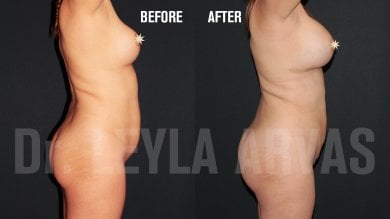
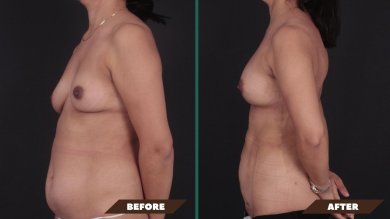
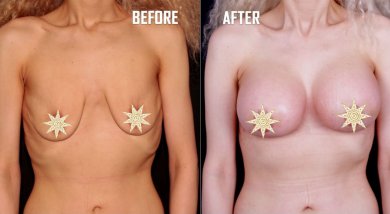
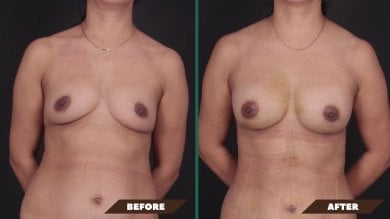
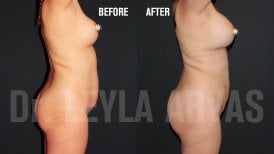
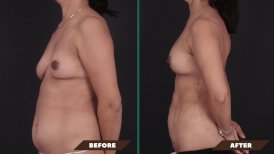
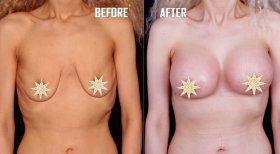
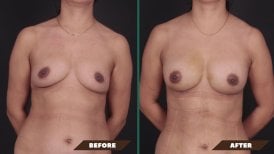
Збільшення грудей шляхом пересадки власного жиру в Туреччині несе основні ризики високої резорбції (розсмоктування) жиру, при якій від 30% до 70% введеного об'єму може зникнути протягом кількох місяців. Інші значні медичні проблеми включають жировий некроз, олеогранульоми (олійні кісти) та потенційні інфекції через нестерильну обробку під час етапів ліпосакції та реін'єкції.
- Резорбція жиру: Значна втрата об'єму часто вимагає повторної процедури для досягнення бажаного результату.
- Некроз тканин: Погано очищений жир може відмерти, утворюючи тверді вузли або болючі олійні кісти.
- Ризик інфекції: Бактерії, що потрапляють під час ліпосакції або ін'єкції, можуть викликати абсцеси або системний сепсис.
- Судинні ускладнення: Рідкісні, але серйозні жирові емболії можуть виникнути при використанні нестандартних або занадто глибоких технік ін'єкції.
Експертна думка Bookimed: Дані Bookimed показують, що пацієнти часто обирають пересадку жиру, щоб уникнути імплантатів, але багато хто згодом просить встановити імплантати через високий рівень резорбції. Клініки, такі як Quartz Hospital, очолювана сертифікованим тренером Vaser доктором Лейлою Арвас, використовують передову VASER-ліпоскульптуру для покращення виживання жирових клітин. Вибір клініки з технологією високої чіткості зазвичай забезпечує більш передбачуване збереження об'єму, ніж бюджетні центри, що використовують базову ручну ліпосакцію.
Відгуки пацієнтів: Багато пацієнтів повідомляють, що вони здивовані тим, як швидко спадає початковий післяопераційний набряк, залишаючи менший об'єм, ніж очікувалося. Хоча вони цінують природні відчуття, ті, хто прагне значного збільшення розміру, часто шкодують, що не обрали імплантати від самого початку.