На головну сторінку
820К+ пацієнтів скористалися нашими послугами з 2014 року
50 країн
1,500 клінік
6K+ відгуків
3K+ кваліфікованих лікарів

Яка вартість повного зубного протезу із монолітного діоксиду цирконію на 6 титанових імплантах в Італії?

Середня ціна на повний зубний протез із монолітного діоксиду цирконію на 6 титанових імплантах в Італії становить $20,000, мінімальна — $15,000, максимальна — $25,000.
Дані підтверджені Bookimed станом на May 2026 року. Інформація базується на запитах пацієнтів та офіційних розцінках від 47 клінік по всьому світу. Середні ціни розраховуються на основі реальних платежів пацієнтів (2025–2026) і оновлюються щомісяця. Фактична вартість може варіюватися.

Переваги та гарантії Bookimed

Прямі ціни від клінік та оплата частинами

Ви не сплачуєте за послуги Bookimed. Ціни на повний зубний протез із монолітного діоксиду цирконію на 6 титанових імплантах відповідають прайс-листу клініки. Оплата безпосередньо в клініці. Доступна оплата частинами.

Перевірені клініки та лікарі

Bookimed піклується про вашу безпеку. Ми співпрацюємо лише з медичними закладами, які дотримуються високих міжнародних стандартів у проведенні повного зубного протезу із монолітного діоксиду цирконію на 6 титанових імплантах та мають необхідні ліцензії для обслуговування пацієнтів з різних країн.

Безкоштовна підтримка 24/7

Bookimed надає безкоштовну експертну підтримку. Особистий лікар-координатор супроводжує вас до, під час та після процедур, вирішуючи будь-які питання. Ви ніколи не залишитеся наодинці під час процедури Повний зубний протез із монолітного діоксиду цирконію на 6 титанових імплантах в іншій країні.

Чому саме ми?

Ваш особистий лікар-координатор Bookimed

  • Підтримує вас на кожному етапі
  • Допомагає обрати правильну клініку та лікаря
  • Забезпечує швидкий та зручний доступ до інформації

Пропозиції з повного зубного протезу із монолітного діоксиду цирконію на 6 титанових імплантах в Італії — травень 2026

Тип процедури
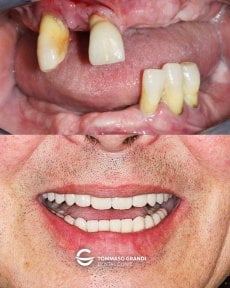
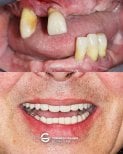
До і після незнімних протезів на імплантах із цирконію в Tommaso Grandi Dental Clinic
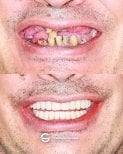
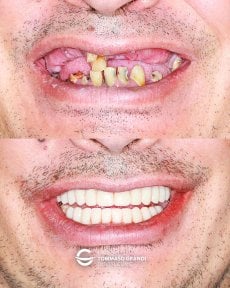
Результат до та після незнімних цирконієвих протезів на імплантах у Tommaso Grandi Dental Clinic
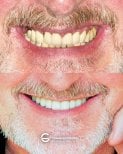
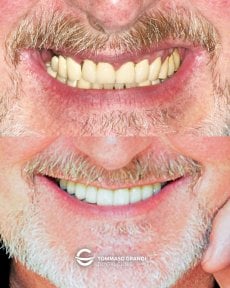
Результат до і після незнімних цирконієвих протезів на імплантах у Tommaso Grandi Dental Clinic
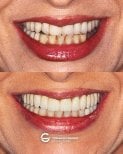
До і після незнімних протезів на імплантах з цирконію в Tommaso Grandi Dental Clinic
22 роки досвіду

All-on-6 з монолітною цирконієвою коронкою — стоматолог із досвідом встановлення понад 30 000 імплантів

Цей пакет гарантує 98,5% виживаності імплантів протягом 10 років, що підтверджено рецензованими публікаціями. У стоматологічній клініці Tommaso Grandi доктор Томмазо Гранді, автор та лектор, який навчає інших фахівців, проводить повну трансформацію щелепи приблизно за 5 днів з негайним навантаженням. Пакет «все включено» вартістю близько 9 400 $ охоплює повну цифрову діагностику (3D КТ та інтраоральне сканування) і цифрове моделювання посмішки.

Огляд процедури Повний зубний протез із монолітного діоксиду цирконію на 6 титанових імплантах в Італії

Основні дані
Схожі процедури та ціни
Як це працює
Що мене очікує
Переваги
Оплата
пацієнтів рекомендують -
85%
Тривалість операції - 6 годин
Час перебування в країні - 10 днів
Реабілітація - 180 днів
Анестезія - Загальна анестезія
Комісія Bookimed - $0

Отримайте медичну консультацію щодо повного зубного протезу із монолітного діоксиду цирконію на 6 титанових імплантах в Італії: Обирайте серед найкращих фахівців у галузі

Всі лікарі
перевірено

Tommaso Grandi

22 роки досвіду

Доктор Томмазо Гранді спеціалізується на повноарковому протезуванні на імплантатах, поєднуючи клінічний досвід із науково обґрунтованими протоколами у своїй спеціалізованій клініці.

  • Закінчив з відзнакою за спеціальністю «Стоматологія та зубне протезування»
  • Ад’юнкт-професор періодонтології протягом 5 років
  • Головний автор численних рецензованих публікацій з імплантології
  • Є членом Редакційної ради Європейського журналу оральної імплантології
  • Заснував клініку, що зосереджена на дослідженні та навчанні в галузі імплантології

Відеоісторії пацієнтів Bookimed

Igor
Було чудово! Трансфери, проживання, лікування — усе включено.
Процедура: Імплантація зубів
Клініка: WestDent Clinic
David
Хто б міг подумати, що лікування зубів може бути як міні-відпустка?
Процедура: Встановлення імпланту з коронкою
Pavel
Рекомендую послуги Bookimed усім — вони дуже полегшили моє життя.
Процедура: Встановлення цирконієвої коронки
Клініка: WestDent Clinic

Повний зубний протез із монолітного діоксиду цирконію на 6 титанових імплантах: Фото до та після

Дивитися все

Поділитися цим контентом

Twitter XLinkedinFacebookWhatsAppEmail
Отримати посилання
Автор
Марія Митрофанкіна
Марія Митрофанкіна
Копірайтер (англійська та німецька мови)
Медична копірайтерка з досвідом роботи понад 5 років і ступенем магістра в галузі філології та перекладу. Керує проєктами з міжнародної сертифікації якості медичних послуг та підтримки ЛГБТ-пацієнтів.
Фахад Мавлюд
Медичний редактор, Data Scientist
Лікар загальної практики, лауреат 4 конкурсів наукових робіт молодих вчених. Працював на Середньому Сході. Колишній керівник команди англомовних та арабомовних лікарів-координаторів. Наразі займається аналізом даних та є медичним редактором сайту.
Фахад Мавлюд Linkedin
На цій сторінці може бути представлена інформація, що стосується різних захворювань, методів лікування та медичних послуг, доступних у різних країнах. Зверніть увагу, що контент надається виключно з інформаційною метою і не повинен розглядатися як медична порада чи інструкція. Будь ласка, проконсультуйтеся зі своїм лікарем або кваліфікованим медичним працівником, перш ніж починати чи змінювати лікування.

FAQ з повного зубного протезу із монолітного діоксиду цирконію на 6 титанових імплантах в Італії

Ці запитання надходять від реальних пацієнтів, які шукають медичну допомогу через Bookimed. Відповіді дають досвідчені лікарі-координатори та офіційні представники клінік.

How safe is full-arch restoration with six titanium implants and monolithic zirconia, and what are the main medical risks?

Full-arch restoration using six titanium implants and monolithic zirconia is highly safe, boasting cumulative survival rates of 98.5% over 10 years. Key risks include peri-implantitis, sinus complications in the upper jaw, and mechanical wear on opposing natural teeth due to zirconia hardness.

  • Biological risks: Peri-implantitis affects 10-20% of patients long-term without meticulous oral hygiene.
  • Upper jaw safety: Bone deficits may require grafting, carrying a 5-10% risk of sinusitis.
  • Mechanical durability: Monolithic zirconia bridges rarely fracture, with failure rates staying below 2%.
  • Tissue health: Waiting 5-6 months for gum healing prevents gaps that trap bacteria.

Bookimed Expert Insight: Italian clinics like Tommaso Grandi Dental Clinic focus heavily on long-term data. Dr. Grandi has placed 30,000+ implants with published research confirming a 98.5% survival rate. This high success stems from using 3D CT-guided planning to avoid nerve damage and sinus issues.

Patient Consensus: Patients emphasize that while zirconia feels natural, strict cleaning is mandatory to avoid bone loss. Many recommend ensuring a 3-6 month healing period before final loading to protect the implants.
Who is a good candidate for a full-arch implant-fixed zirconia bridge and when should it be avoided?

Good candidates include patients missing most teeth with sufficient bone density for 6 titanium implants. Monolithic zirconia is ideal for those seeking hypoallergenic, durable results. Avoid this bridge if you have severe bone loss or uncontrolled medical conditions like diabetes that hinder healing.

  • Bone volume: Requires 10mm height on 3D CT scans for secure implant anchoring.
  • Medical status: Avoid if systemic conditions like osteoporosis or cancer treatments are active.
  • Oral habits: Heavy bruxers should use guards or choose metal-reinforced options instead.
  • Aesthetic needs: Best for patients wanting stain-resistant, natural-looking teeth without metal sensitivity.

Bookimed Expert Insight: Italian specialists like Dr. Tommaso Grandi achieve a 98.5% 10-year success rate even in complex cases. Choosing a doctor who publishes peer-reviewed research ensures your bridge design accounts for long-term jawbone stability. Some Italian clinics bundle 3D digital smile designs to guarantee aesthetic satisfaction before final fabrication.

Patient Consensus: Patients emphasize verifying bone volume via CBCT scans early to avoid unexpected grafting. Many suggest testing with a provisional bridge first to ensure the fit and speech are perfect before finalizing zirconia.

What steps are involved from the first visit to the final monolithic zirconia bridge in Italy?

The monolithic zirconia bridge process in Italy requires three clinical trips over three to six months to ensure proper implant osseointegration. Most Italian specialists like Dr. Tommaso Grandi utilize digital smile design and immediate loading protocols to provide functional temporary teeth while the jaw heals before final prosthetic placement.

  • Initial consultation: Surgeons perform 3D CT scans and digital impressions to plan six titanium implants.
  • Implant surgery: Titanium posts are placed typically under local anesthesia during a five-day stay.
  • Healing phase: Patients wait three to four months for implants to bond with the jawbone.
  • Final fitting: The milled monolithic zirconia bridge is screwed or bonded during the last visit.

Bookimed Expert Insight: Italian clinics like Tommaso Grandi Dental Clinic distinguish themselves by using peer-reviewed 10-year survival data. Their 98.5% success rate is significantly higher than regional averages. Choosing a clinic that integrates an in-house lab with digital workflows reduces the final bridge fitting trip to just two days. This efficiency is rare even among top-tier European centers.

Patient Consensus: Patients emphasize planning for three separate trips to achieve the high-durability zirconia result. Most suggest requesting immediate load provisional bridges to ensure no gaps in your smile during the months of healing.

How long will I need to stay in Italy, and how many trips are required?

A full-arch restoration in Italy typically requires 2 separate trips totaling 8 to 12 days. The first visit lasts 5 to 7 days for implant placement and temporary bridge fitting. A second trip of 3 to 5 days is necessary 3 to 6 months later for the final monolithic zirconia prosthesis.

  • Trip 1 duration: Plan 5 to 7 days for surgery, scans, and temporary bridge placement.
  • Healing period: Wait 3 to 6 months for titanium implants to fuse with bone.
  • Trip 2 duration: Stay 3 to 5 days for final impressions and zirconia denture fitting.
  • Immediate loading option: Some clinics like Tommaso Grandi Dental Clinic offer faster protocols for eligible patients.

Bookimed Expert Insight: While many countries take weeks for zirconia milling, Italian clinics often use advanced in-house labs to finish final prosthetics in just 3 days. Data from the Tommaso Grandi Dental Clinic shows Dr. Grandi has placed over 30,000 implants, allowing for highly efficient treatment timelines in Modena compared to standard European practices.

Patient Consensus: Patients emphasize planning a 1-week buffer on the first trip to handle potential lab delays. Most suggest requesting photos of temporary bridges early to ensure the aesthetic result meets expectations before the final fitting.

What will recovery and after-care look like, and when can I eat normally?

Recovery from full-arch zirconia implant surgery in Italy involves a staged healing process where liquid diets last for 7–10 days. Soft foods are introduced in weeks 2–4, while a normal diet including chewy meats and solids typically resumes 3–6 months post-surgery after the implants fully integrate.

  • Hospital stay: No hospital stay is required since procedures use local anesthesia or sedation.
  • Initial recovery: Plan for 5 days in Italy to manage peak swelling and pain.
  • Temporary dentures: Patients wear functional temporary dentures for 3–6 months until the final zirconia.
  • Protection of clots: Avoid using straws or smoking for 14 days to prevent complications.
  • Osseointegration period: Bone integration takes 4–6 months before biting high-resistance foods like steak.

Bookimed Expert Insight: Italian clinics like Tommaso Grandi Dental Clinic focus on 10-year success rates, which currently reach 98.5% for zirconia arches. The wait for your permanent teeth is worth it; zirconia is significantly more durable than acrylic and resists staining much better over time.

Patient Consensus: Expect significant facial swelling and some bruising between days 3 and 5. Most people adapt well after the first month but warn that eating solids too early can crack temporary dentures.

Will the metal implants or zirconia bridge be visible; is there a risk of 'grey show-through'?

Monolithic zirconia bridges eliminate grey show-through because they lack a metal sub-structure. While the six titanium implants are metal, their placement below the gumline and the opaque ceramic bridge prevent visibility. This ensures a natural, white aesthetic even if gums thin slightly.

  • Material opacity: Monolithic zirconia is naturally white and opaque. It hides dark underlying metal components.
  • No metal base: Unlike metal-ceramic options, zirconia contains no dark alloys. It cannot leak grey.
  • Placement depth: Surgeons at Tommaso Grandi Dental Clinic place implants deep. This protects against gum recession.
  • Gingival biotype: Thick gum tissue prevents titanium shadows. Your surgeon assesses this during 3D scans.

Bookimed Expert Insight: Our data shows Italian clinics like Tommaso Grandi Dental Clinic prioritize monolithic zirconia over layered ceramic. This one-piece design is more durable. It also ensures color consistency throughout the restoration. This is vital for patients with high smile lines in Italy.

Patient Consensus: Patients often mention how natural the teeth feel. They appreciate the absence of dark lines at the gumline. Many feel more confident smiling than they did with older bridge styles.

What hygiene and maintenance are required to keep the full-arch zirconia prosthesis healthy?

Maintaining a full-arch zirconia prosthesis in Italy requires meticulous daily cleaning and professional check-ups every 3 to 6 months. Patients must use a water flosser and non-abrasive toothpaste to protect the 6 titanium implants from peri-implantitis. Consistent hygiene ensures a 98.5% 10-year implant survival rate.

  • Daily mechanical cleaning: Use soft-bristled electric brushes on sensitive mode to avoid scratching polished zirconia surfaces.
  • Sub-bridge hygiene: Use a water flosser with antimicrobial mouthwash to flush debris from under the arch.
  • Interdental care: Clean around titanium abutments daily using plastic-coated proxy brushes sized for a snug fit.
  • Professional maintenance: Schedule ultrasonic scaling and air polishing every 3 months at specialized clinics in Modena.

Bookimed Expert Insight: Italian specialists like Dr. Tommaso Grandi emphasize that zirconia's durability depends on the gum-to-bridge interface. Data from 30,000 implants shows that monolithic zirconia resists plaque better than acrylic. However, small food debris like seeds can lodge invisibly under the arch. Using an antimicrobial soak nightly prevents the specific odor buildup often associated with fixed prosthetics.

Patient Consensus: Patients report that redness in the gums is the first sign to intensify their cleaning routine. Many find that high-pressure water flossing is the only effective way to reach the underside of the bridge.

Отримати безкоштовну консультацію

Оберіть найзручніший спосіб зв'язатися з вами