Туреччина, Адана
Лікування рака підшлункової залози — Prof. Dr. Alper Fındıkçıoğlu
Про клініку
Практика торакальної хірургії проф. д-ра Альпера Финдикчиоглу (Prof. Dr. Alper Fındıkçıoğlu) розташована в Адані, Туреччина, на базі лікарні Acıbadem Adana в районі Сейхан. Клініка спеціалізується на хірургічному лікуванні раку легенів, пухлин середостіння та захворювань грудної стінки. Центр був заснований у 2024 році професором торакальної хірургії, а медична команда складається з трьох лікарів-фахівців. Проф. д-р Альпер Финдикчиоглу здобув освіту в Стамбульському університеті та лікарні імені Сіямі Ерсека.
У своїй практиці лікарі надають перевагу малоінвазивним методам, таким як VATS та роботизована хірургія. Ці методики дозволяють зменшити больові відчуття та прискорити відновлення. До основних процедур належать лобектомія, пневмонектомія та ендоскопічна торакальна симпатектомія при гіпергідрозі. Хірурги також виконують складні реконструкції стравоходу з використанням методик гастропластики. Як правило, післяопераційний період у лікарні триває від трьох до шести днів. Іноземні пацієнти отримують клінічну інформацію англійською мовою та швидку координацію через WhatsApp.
Особливості клініки
2024
рік заснування
3 лікарі
Отримати безкоштовну консультацію

Prof. Dr. Alper Fındıkçıoğlu

 Клініка не приймає нові запити
Надішліть запит, щоб отримати найкращу пропозицію в
 Середня трівалість відповіді — 5 хвилин
Лікарі клініки
Як ви оцінюєте наш сервіс?
1 з
3
Інформація про цю клініку є повною та зрозумілою
1
2
3
4
5
Не погоджуюсь
Цілком погоджуюсь
Prof. Dr. Alper Fındıkçıoğlu: детальніше про клініку
Туреччина, Адана
Приватна практика торакальної хірургії Prof. Dr. Alper Fındıkçıoğlu була заснована у 2024 році. Клініка розташована на базі лікарні Acibadem Adana у районі Сейхан міста Адана, Туреччина. Вона працює як спеціалізований медичний центр, зосереджений на хірургічному лікуванні захворювань грудної клітки та легень.
Академічна кваліфікація та досвід
Клініку очолює професор, доктор медичних наук Альпер Финдикчоглу, фахівець із торакальної хірургії. Він здобув медичну освіту на медичному факультеті Стамбульського університету, після чого пройшов ординатуру в Стамбульській клініці торакальної та серцево-судинної хірургії імені Dr. Siyami Ersek.
Д-р Финдикчоглу брав участь у численних наукових проєктах. Його дослідження охоплюють кілька ключових напрямків торакальної допомоги:
- Злоякісний плевральний випіт (скупчення рідини навколо легень)
- Методи відеоасистованої торакальної хірургії (VATS)
- Комфорт пацієнта та контроль болю після торакотомії
- Аналіз економічної ефективності торакальних процедур
- Імунологічні маркери при недрібноклітинному раку легень
У 2014 році він отримав звання доцента, а у 2022 році — професора. Медична команда складається з трьох спеціалізованих лікарів.
Торакальна хірургія та лікування раку легень
Клініка спеціалізується на діагностиці та хірургічному лікуванні захворювань легень, плеври та стінок грудної клітки. Плани лікування адаптуються залежно від стадії захворювання та загального стану здоров'я пацієнта. Хірургічна команда виконує кілька типів резекції легень:
- Лобектомія – видалення частки легені, що містить пухлину, разом із навколишніми лімфатичними вузлами.
- Пневмонектомія – хірургічне видалення цілої легені, часто необхідне при центрально розташованих пухлинах.
- Клиноподібна резекція – видалення невеликої клиноподібної ділянки ураженої легеневої тканини.
- Сегментектомія – видалення специфічного анатомічного сегмента частки легені.
При раку стравоходу в клініці проводять езофагектомію для видалення ураженого сегмента. Хірурги відновлюють цілісність травного тракту шляхом формування шлункової трубки за допомогою спеціальних степлерів.
Малоінвазивні методики
Фахівці віддають перевагу малоінвазивним методам для зменшення больових відчуттів та прискорення відновлення. Для операцій на легенях та середостінні застосовуються відеоасистована торакальна хірургія (VATS) та роботизовані техніки. VATS передбачає використання камери з кутовими об'єктивами та невеликих розрізів замість великого розрізу грудної клітки.
Клініка також лікує неонкологічні захворювання. Ендоскопічна торакальна симпатектомія (ETS) застосовується при підвищеному потовиділенні (гіпергідрозі). Процедура виконується через невеликий розріз під пахвою під загальним наркозом. Більшість пацієнтів, які перенесли ETS, повертаються додому ввечері після операції.
Дивертикул Ценкера (випинання стінки стравоходу) лікується двома способами:
- Ендоскопічна дивертикулостомія – процедура через ротову порожнину з використанням лазерів або степлерів, без розрізів на шиї.
- Трансцервікальний підхід – відкрита хірургічна операція через розріз на шиї, що включає крікофарингеальну міотомію.
Ендоскопічний підхід зазвичай забезпечує коротший період відновлення та можливість виписки наступного дня.
Діагностичні та реабілітаційні технології
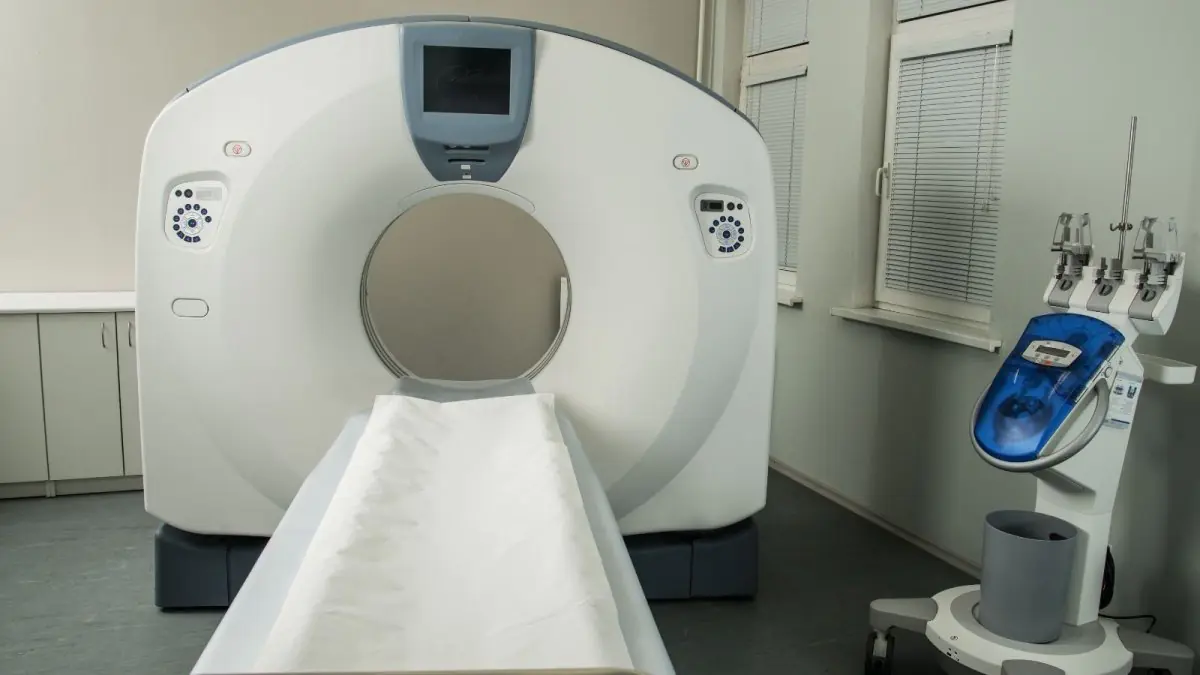
Клініка використовує сучасні діагностичні інструменти для картування захворювань та планування операцій. ПЕТ-КТ та КТ з контрастуванням дозволяють визначити розмір та поширення пухлини. Функціональні легеневі проби допомагають оцінити, чи зможе пацієнт безпечно жити з однією легенею. Забір зразків тканин проводиться за допомогою EBUS (ендобронхіальна ультразвукова біопсія) та бронхоскопії.
Післяопераційне відновлення базується на структурованому шляху реабілітації. Пацієнти використовують пристрої Triflow (тренажер для дихання з кульками) для вправ, які допомагають легеневій тканині правильно розправитися. Після малоінвазивної торакальної хірургії середній термін перебування в стаціонарі становить від 3 до 5 днів. Пацієнти проводять одну ніч у палаті інтенсивного спостереження, після чого їх переводять у загальне відділення.
Послуги для іноземних пацієнтів
Іноземні пацієнти отримують медичну інформацію англійською мовою, щоб краще розуміти доступні варіанти лікування. Клініка пропонує зв'язок через WhatsApp для швидкої координації медичних запитів. Професор, д-р Альпер Финдикчоглу володіє англійською, німецькою, арабською та російською мовами. Послуги швидкої координації допомагають іноземним пацієнтам ефективно планувати діагностику та терміни проведення операцій.
Додаткові послуги
Перекладач
Доступно
безкоштовно
Розміщення
Готель (апартаменти) поруч з клінікою, оплата щоденно
Відгуки пацієнтів
10 Google
відгуків
Faruk gamlı
Sep 10, 2026
Якість обслуговування дуже хороша, а турбота та досвід лікаря — на висоті.. Особливо дякую також моєму викладачу, професору доктору Сельчуку Съзмазу... доценту доктору Омеру Фаруку Гамлі.
gülay daş
Sep 5, 2026
Ми пішли, щоб зустрітися ще раз, керуючись тією інформацією й порадами, які надав наш лікар: завдяки доброзичливому прийому персоналу, тому що вони направили нас у відповідний відділ, зручному запису та переходу до огляду, а також завдяки поясненням персоналу, який нас зустрів, що помогли нашому пацієнту дізнатися про лікування та діяти згідно з рекомендаціями. Я не можу ігнорувати чистоту лікарні та бажаю, щоб надалі зберігалися стабільність і якість обслуговування в тому ж дусі.
Demet Erdoğan
Sep 5, 2026
Від самого першого дня; ставлення персоналу було уважним, поводилися обережно, до пацієнта ставилися ввічливо, персонал із хорошою підготовкою діяв своєчасно, а процес подальшого спостереження був дуже якісним.
Досвід лікарів і те довір’я, яке вони вселяли пацієнту, були надзвичайно хорошими.
Aydın Sönmez
Sep 5, 2026
Перш за все хочу щиро подякувати моєму лікарю Др. UMUT Dişel, пані Несліхан, пані Гюльшах, пані Бітер, а також усьому іншому сестринському персоналу, чиї імена зараз, на жаль, не можу пригадати.
Mehmet Tiryaki
Sep 5, 2026
Для нас було по-справжньому великою удачею те, що під час лікування мого батька наші шляхи перетнулися з доц. д-ром Ертугрулом Емре Гюнтюрком.
У ситуації, яку лікарі, з якими ми консультувалися раніше, оцінювали як дуже складну й негативну, наш Ертугрул Ходжа вселив у нас упевненість — і своїми знаннями та досвідом, і своєю впевненою манерою спілкування. Те, що він успішно втрутився та розкрив вену, яку, як казали, було важко, ще більше підвищило нашу повагу до його професійного досвіду та лікарського фаху.
Однак вирізняє його в наших очах не лише професійний успіх. Це дуже цінний лікар, який надзвичайно добре розуміє психологію пацієнта та родичів пацієнта, у найважчі моменти вселяє довіру людині, що перебуває перед ним, і зрозуміло та спокійно пояснює перебіг процесу. Як родич пацієнта, я знаю, наскільки важко чекати в умовах невизначеності. У такі моменти кілька слів лікаря, його підхід і те відчуття довіри, яке він дає, мають величезне значення. Ертугрул Ходжа дав нам це відчути сповна.
За ту працю, самовідданість і успішне втручання, завдяки яким мій батько знову відновив здоров’я, ми можемо лише від імені нашої родини висловити йому щиру подяку — і цього недостатньо.
Бути хорошим лікарем — це вимагає великих знань і досвіду; а об’єднати це з людяним підходом, який розуміє людей, вселяє довіру й керується совістю — значно цінніше. До ц. д-р Ертугрул Емре Гюнтюрк — для нас лікар, який має всі ці якості.
Нашій країні завжди потрібні такі цінні лікарі. Ми ще раз висловлюємо йому безмежну вдячність і повагу.
müge köstem
Sep 1, 2026
Я дуже задоволений/задоволена всіма послугами, які отримав/отримала в Acıbadem Adana Hospital — від радіології до променевої терапії та навіть загальної хірургії. Вони швидко виявили мою проблему й повели до вирішення.
gözde boyacı
Sep 1, 2026
Хочу висловити безмежну подяку посадовій особі, відповідальній за вартість і провізію, пані Нілай Акчиль, яка, розуміючи занепокоєння та страх, що я переживав(ла) перед моєю операцією з приводу апендициту, переконала мене зробити операцію, і полегшила весь процес завдяки її терпінню, щирості та привітній усмішці. Я дякую їй і вашій установі не лише за адміністративні справи, а й за те, що своїм людяним підходом вона була поруч зі мною та стала причиною мого одужання.
bayram aydın
Sep 1, 2026
Ми відвезли маму до лікаря-офтальмолога пані/пана Сельчука Сизмаз, у лікарню ADANA Acıbadem. Дуже дякую йому за його професіоналізм і людяність.
Kadriye Dündar
Sep 13, 2026
Serpil ateş
Sep 12, 2026
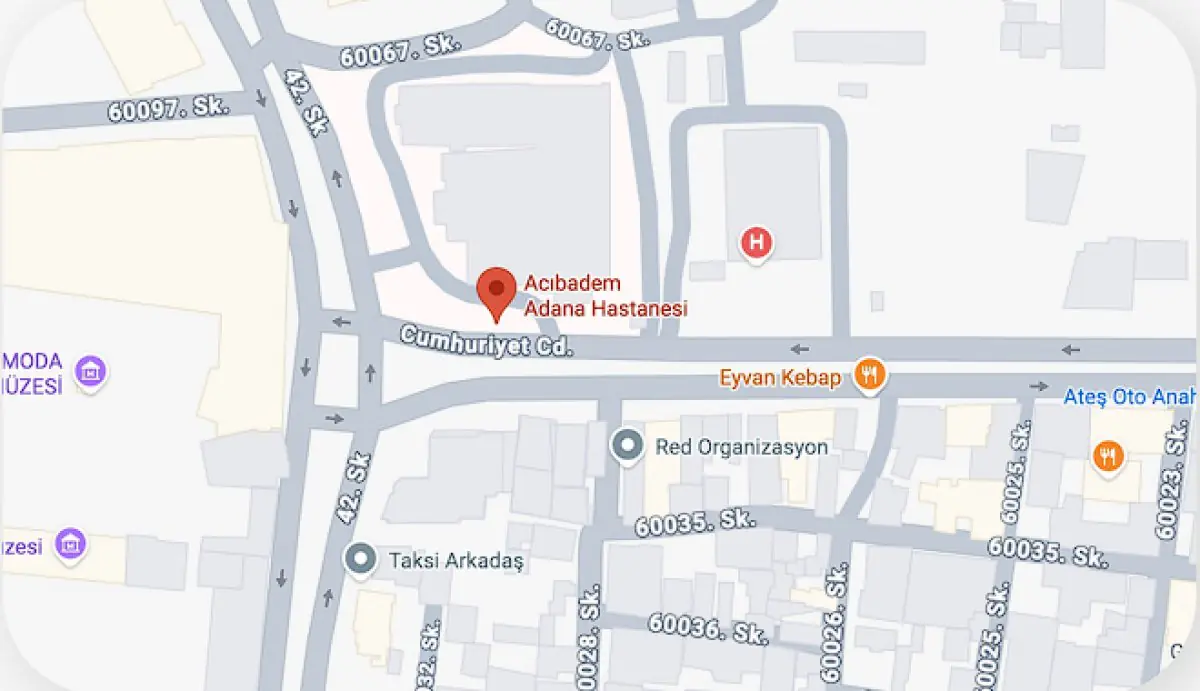
Acibadem Adana Hospital Döşeme, Cumhuriyet Cd. No:66, Seyhan/Adana, Türkiye

оновлено 10/1/2026
Отримати безкоштовну консультацію
Prof. Dr. Alper Fındıkçıoğlu
Клініка не приймає нові запити
Надішліть запит, щоб отримати найкращу пропозицію в
Середня трівалість відповіді — 5 хвилин
Як це працює:
- На ваш запит ми підбираємо вам профільного лікаря-координатора
- Ви отримуєте персональну програму з планом дій та вартістю
- Ми займаємося організацією поїздки: від запису до лікаря до покупки квитків
- Ви їдете до клініки, а лікар-координатор залишається з вами на зв'язку 24/7