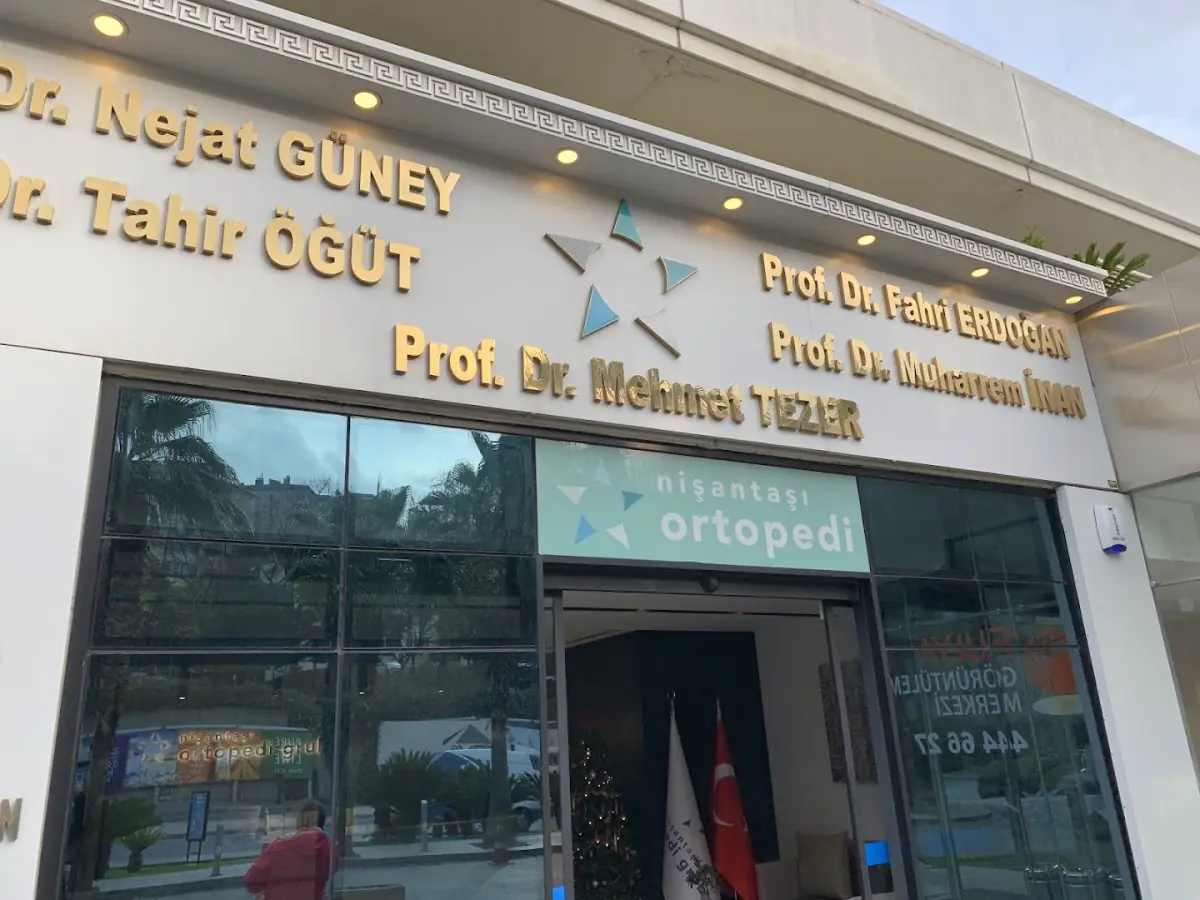
Ortopediatri Pediatric Orthopedics Academy — спеціалізований центр у Бешикташі, Стамбул. Він спеціалізується на дитячому ортопедичному лікуванні та реабілітації. Д-р Мухаррем Інан заснував заклад у 2012 році. У медичній команді працюють 7 лікарів та загалом 12 співробітників.
Академія працює як багатопрофільний центр педіатричної допомоги. Спеціалісти та фізіотерапевти працюють разом для лікування складних рухових розладів. Цей підхід допомагає запобігти деформаціям на ранніх етапах життя дитини. Заклад має спеціалізовані відділення для конкретних потреб:
- Центр проблем стопи та ходи
- Відділення корекції деформацій та подовження кінцівок
- Центр рідкісних захворювань
- Центр нейроортопедії
Іноземні пацієнти можуть отримати доступ до навчальних матеріалів та клінічного контенту англійською мовою.
Спеціалізації в дитячій ортопедії
Клініка лікує широкий спектр вроджених та набутих захворювань. Хірурги використовують як відкриті, так і закриті методи для збереження кульшового суглоба. Hip arthroscopy виконується через невеликі розрізи з використанням спеціалізованих кутових камер. Це дозволяє лікарям оглядати глибокі суглоби в обмеженому операційному просторі.
При сколіозі медична команда дотримується шляхів лікування, що залежать від росту:
- Спостереження при викривленні хребта від 10 до 20 градусів
- Корсетна терапія при викривленні від 25 до 45 градусів
- Хірургічне втручання при важких випадках або викривленнях, що швидко прогресують
Команда також займається поширеними дитячими травмами, такими як переломи передпліччя. Варіанти лікування включають просту репозицію, накладання гіпсу або хірургічну фіксацію пластинами та спицями.
Спеціалісти лікують низку інших дитячих захворювань:
- Клишоногість із використанням методу Понсеті (серійне гіпсування)
- Плоскостопість за допомогою контролю ходи та періодичного моніторингу
- Недосконалий остеогенез (хвороба крихких кісток)
- Спортивні травми кисті, зап'ястя та коліна
Клінічна оцінка плоскостопості зазвичай починається приблизно у 4 роки для встановлення остаточного діагнозу.
Церебральний параліч та реабілітація
Ortopediatri пропонує комплексний шлях лікування симптомів церебрального паралічу. Плани лікування індивідуалізуються залежно від конкретних цілей мобільності. Для деяких дітей мета — сидіти. Для інших — ходити. Лікарі використовують ін'єкції ботоксу для зменшення м'язової жорсткості та надмірних скорочень.
Клініка наголошує, що ботокс не є самостійним лікуванням. Після ін'єкцій має слідувати регулярна реабілітація, щоб діти могли освоїти нові моделі рухів. Протоколи фізіотерапії фокусуються на кількох функціональних результатах:
- Покращення м'язової сили та постурального контролю
- Регулювання м'язового тонусу в тулубі та кінцівках
- Запобігання вторинним розладам, таким як контрактури суглобів або сколіоз
- Підтримка перенесення ваги в нижніх кінцівках
Післяопераційна реабілітація зазвичай охоплює перші 8 тижнів після операції. Фізіотерапевти також навчають сім'ї для підтримки довгострокового моторного розвитку дитини.
Діагностичні технології
Академія використовує педобарографічну технологію для детальної оцінки стопи. Ця система оцінює патерни навантаження на стопу як у статичних, так і в динамічних умовах. Вимірювання до та після втручань допомагають точно відстежувати прогрес. Центр також використовує 3D-аналіз ходи для оцінки складних порушень ходи.
Діагностична візуалізація підтримує планування ортопедичних операцій та реабілітації. МРТ та ЕМГ доповнюють клінічні обстеження за потреби у випадках церебрального паралічу. Ці інструменти допомагають лікарям підтвердити діагнози та визначити правильний час для операції.
Професійне навчання та програми академії
Як академічний заклад, клініка проводить кілька програм професійної освіти. Clinical Fellowship Program включає поглиблене спостереження та участь в операціях. Курс аналізу руху навчає клініцистів спеціалізованим діагностичним інструментам. Заклад також проводить програму стажування з фізіотерапії, орієнтовану на методи дитячої реабілітації.


 Клініка не приймає нові запити
 Середня трівалість відповіді — 5 хвилин